Login
Compare durability, cost efficiency, aesthetic finish, and ideal garment types to make
the right choice for your corporate, medical, or industrial apparel program.
Screen printing applies specialized ink layers directly onto the fabric surface, making it the most efficient solution for large-scale t-shirt orders, bold graphic designs, and high-visibility workwear. This technique delivers vibrant color reproduction and smooth coverage while keeping unit costs low on high-volume production runs. Custom embroidery stitches high-density, chemical-resistant polyester threads into the garment, creating a dimensional, elevated finish ideal for lab coats, scrubs, polos, and outerwear. Unlike surface prints, embroidered logos withstand extreme industrial laundering, bleach exposure, and high-temperature sanitization without fading or losing shape over time.
High-Volume & Large Graphics
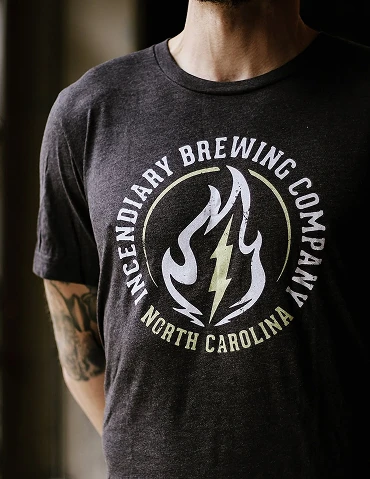
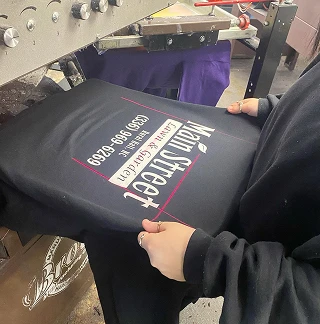
Screen printing is the gold standard when your priority is maximum visual impact and budget optimization on high-quantity apparel orders. By pushing specialized inks directly through fine mesh screens into the fabric fibers, this technique achieves vibrant, highly opaque color reproduction across large surface areas such as full-back prints or oversized chest graphics.
Garment Orders
Premium Uniforms & High Durability
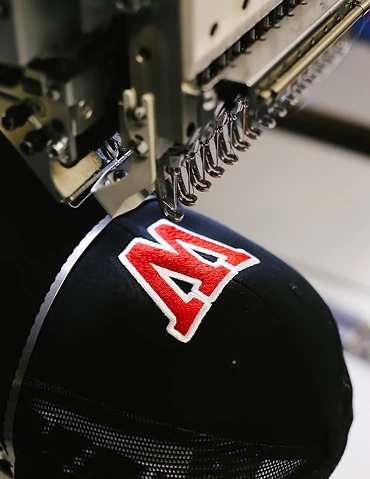
Custom embroidery provides an elevated, professional finish that adds texture, depth, and a premium feel to corporate and medical apparel. By stitching high-density, chemical-resistant polyester threads directly into the garment, embroidery turns standard logos into a sophisticated, 3D brand mark that reflects quality and attention to detail.
Premium look
High-volume t-shirts for corporate runs, trade shows, and community events.
High-visibility safety tees and lightweight crew shirts for construction or field teams.
Designs featuring large chest or back artwork requiring flat ink distribution.
Lab coats, scrubs, polos, and quarter-zips for clinical and corporate staff.
Softshells, fleece jackets, and insulated vests where ink application is impractical.
Structured hats, beanies, and caps requiring dimensional, high-density stitching.
Key technical factors to evaluate before sending your artwork to production.
Artwork & Detail Level
Screen printing easily captures
fine lines, gradients, and expansive artwork across wide panels, whereas embroidery transforms compact vector graphics into dimensional thread motifs.
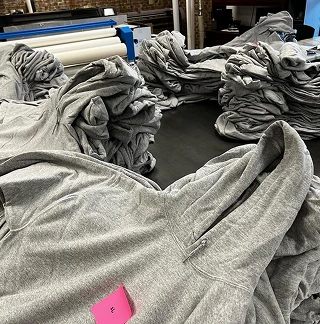
Garment Weight & Fabric
Thin, flexible textiles like performance tees pair perfectly with lightweight screen inks, while dense materials like fleece, outerwear, and canvas require the structural support of stitched embroidery.
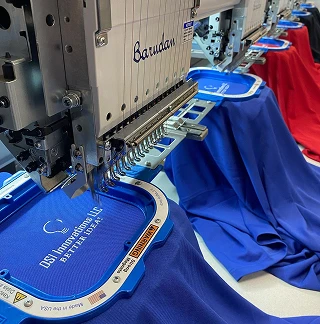
Batch Size & Economics
Screen printing maximizes return on investment for large-scale production runs, while embroidery offers fixed per-stitch pricing that keeps unit costs predictable for small team kits.
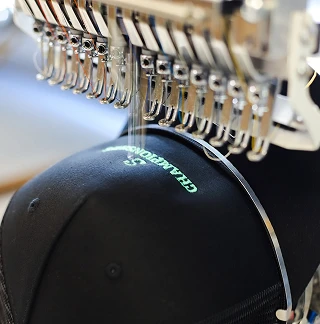
Washing & Environment
Screen printing provides durable daily wear for promotional gear, while high-tensile polyester embroidery stands up to harsh industrial laundering, chemicals, and high-heat sanitization.
Heavy fabrics (jackets, lab coats, fleece) pair best with embroidery; lighter knits (t-shirts) excel with screen printing.
Facilities with chemical sanitization or high-temp washing should prioritize high-tensile polyester embroidery.
Large-scale t-shirt programs maximize ROI with screen printing, while uniform kits benefit from embroidery longevity.
Need some extra support, or have a special request?
Browse our offerings and choose apparel or gear that works for you and your brand, upload your logo, and complete checkout.
We always send a proof of each item for your final approval, and you can request changes before production begins.
Each item is embroidered or printed in house with the thread or ink colors you chose.
Once your order is ready, you will be notified that it has shipped or that it is ready for pick-up whichever option you chose at checkout.
Everything you need to know about our in-house production, physical sample approval, and order process.
It depends on the piece and how it will be used. Embroidery gives a more premium, durable finish on caps, polos, and outerwear, while screen printing is the better choice for large graphics, bright colors, and high volume orders on t-shirts and hoodies.
Embroidery typically costs more per item due to stitch count and machine time, especially on detailed logos. Screen printing becomes more cost effective as order quantities grow, since setup costs are spread across more pieces.
Screen printing can be less cost efficient for small orders because each color requires its own screen and setup. It also isn’t the best option for extremely detailed, photo-like artwork or very small production runs, where DTF or embroidery may work better.
Not for us. We offer both because each has strengths: screen printing is still the most durable and cost effective choice for large bulk orders, while DTF is ideal for smaller runs, full color designs, and fast turnaround needs.
Embroidery generally holds up better long term since the design is stitched into the fabric rather than sitting on top of it. High quality screen printing still lasts through regular washing, but heavy use uniforms tend to show wear on printed graphics before they show it on stitched ones.
Embroidery has a higher per unit cost and isn’t ideal for very detailed or full color artwork, since fine lines and gradients can get lost in the stitching. It also takes longer to set up than screen printing on small or rush orders.
Contact our decoration experts today. We’ll review your logo, garment selection,
and usage needs to recommend the most cost-effective option.