Login
Compare cost per piece, color limits, durability, fabric compatibility, and turnaround to choose the right print method for staff shirts, event apparel, and branded merchandise.
Screen printing pushes ink through a mesh screen directly onto the fabric, using one screen for each color in your design. Once the screens are made, every additional shirt costs very little, which keeps it the most economical choice for large runs with bold, simple artwork. DTF (direct to film) prints your full design onto a special film with CMYK and white ink, coats it with adhesive powder, and heat presses it onto the garment. There are no screens to set up, so gradients, photos, and unlimited colors cost the same as a one color logo, and the print bonds to cotton, polyester, and blends alike. Screen printing wins on volume and cost per piece, while DTF wins on detail, flexibility, and short runs.
HIGH VOLUME & SOLID COLORS
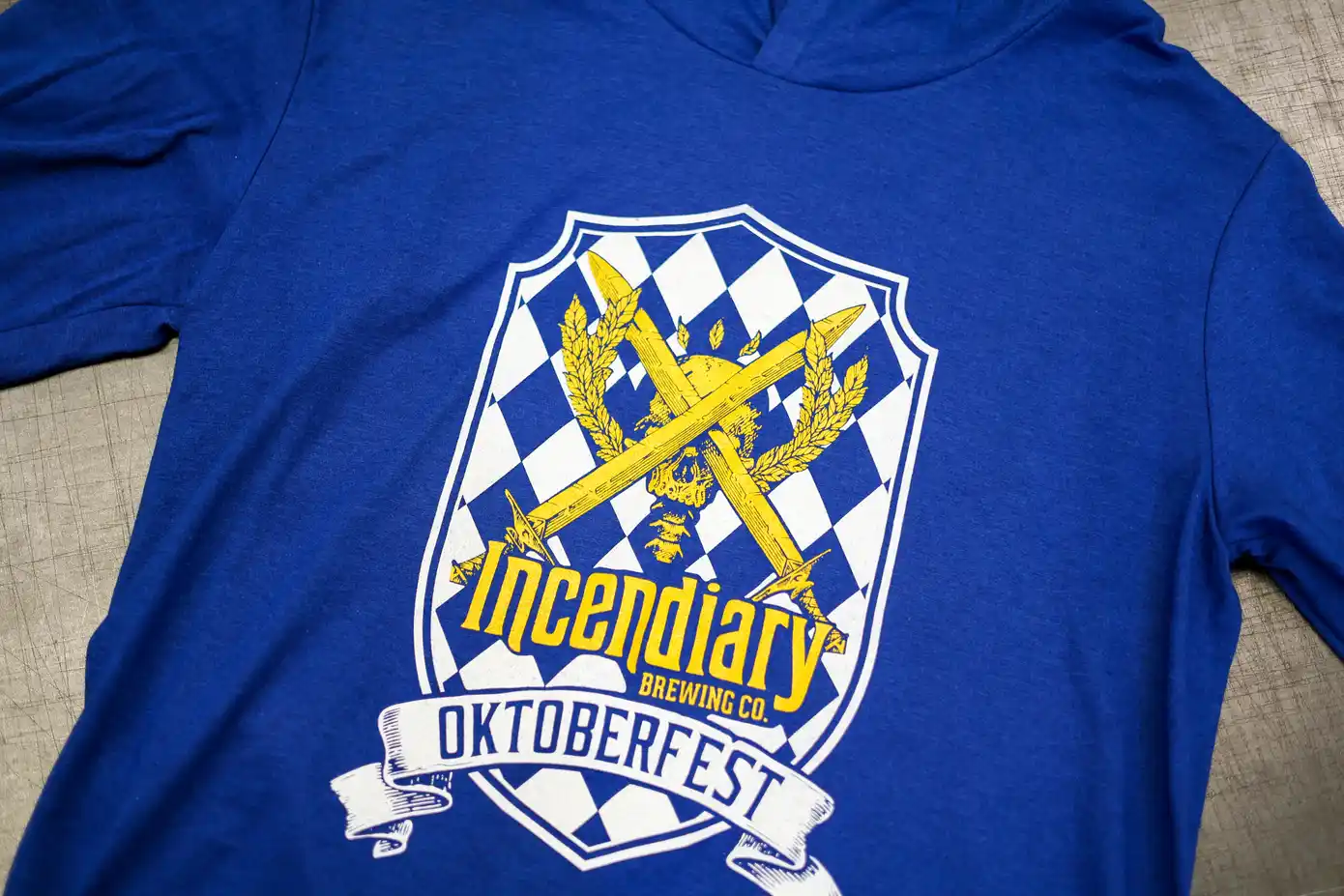
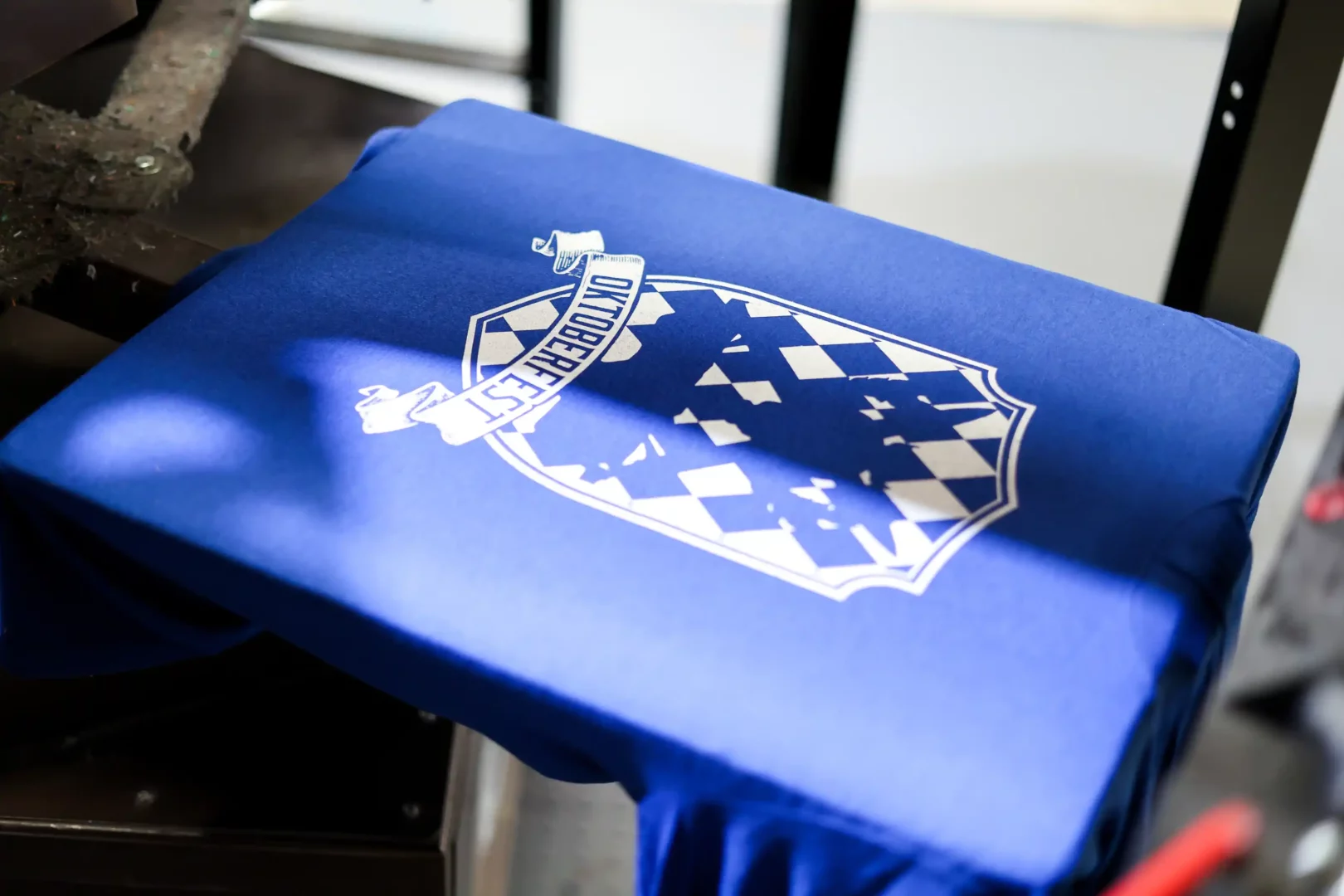
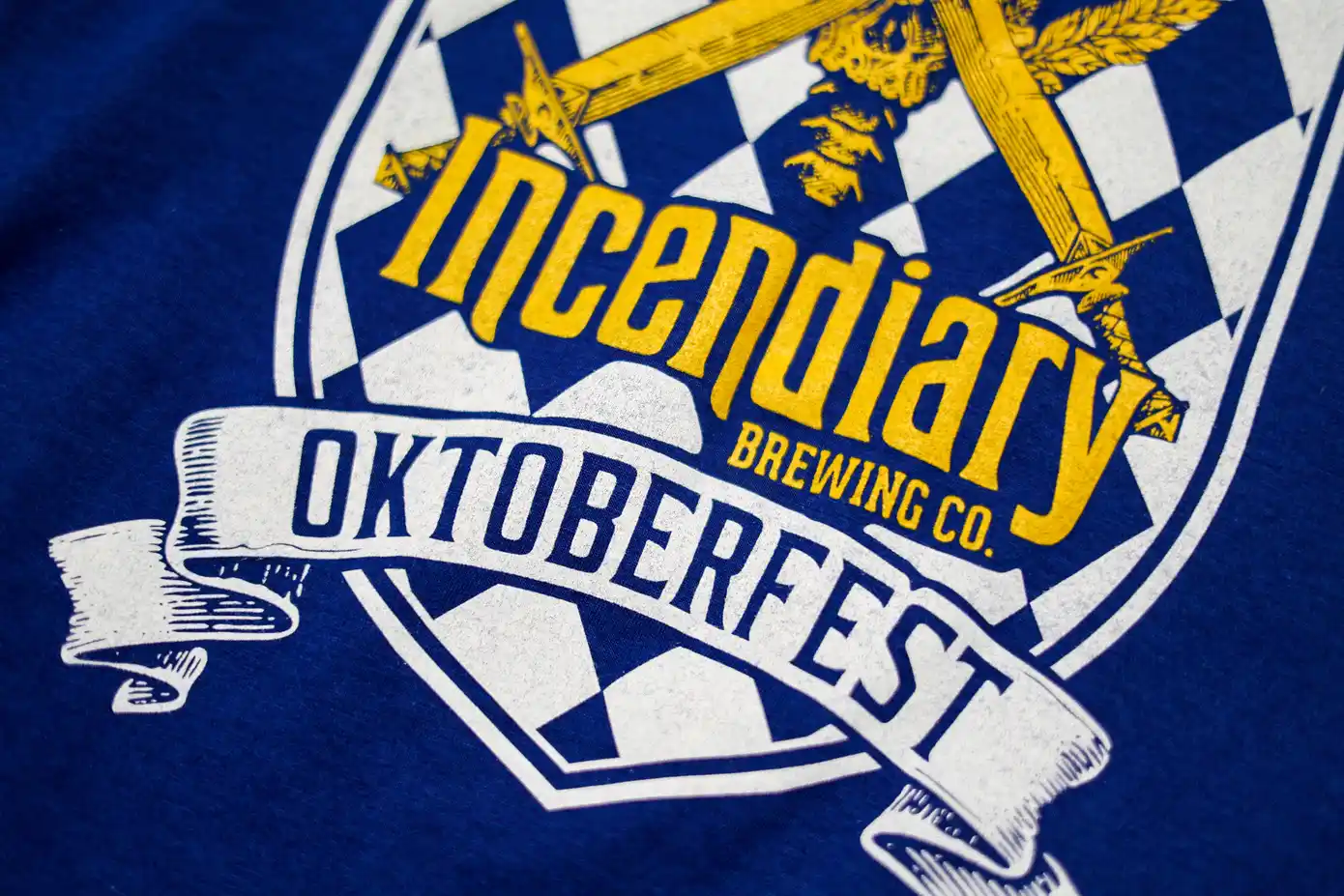
Screen printing is the go to method when you need dozens or hundreds of identical pieces with a logo in a few solid colors. Setup is paid once, so the price per shirt drops as quantity grows, and the ink keeps bright, opaque color wash after wash.
Cost Per Piece at Volume
FULL COLOR & SHORT RUNS
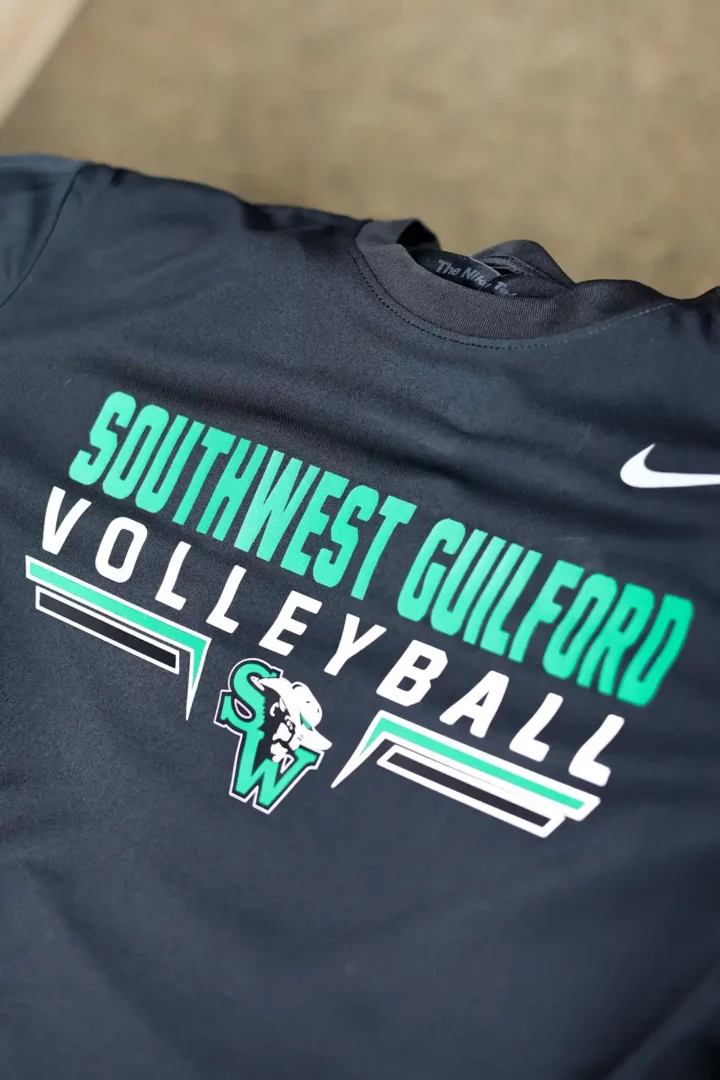
DTF is the better fit for detailed or multicolor artwork, short runs, and mixed garments in one order. It prints photos and gradients with no extra setup, works on polyester and blends, and makes individual names or multiple designs simple to produce.
Unlimited Colors
Large runs of matching tees for conferences, onboarding, and company wide events.
Spirit wear, fundraisers, and team shirts ordered in high quantities every season.
Durable one or two color logos on work tees that face daily wear and frequent washing.
Moisture wicking shirts, jerseys, and blends where DTF bonds cleanly and keeps colors sharp.
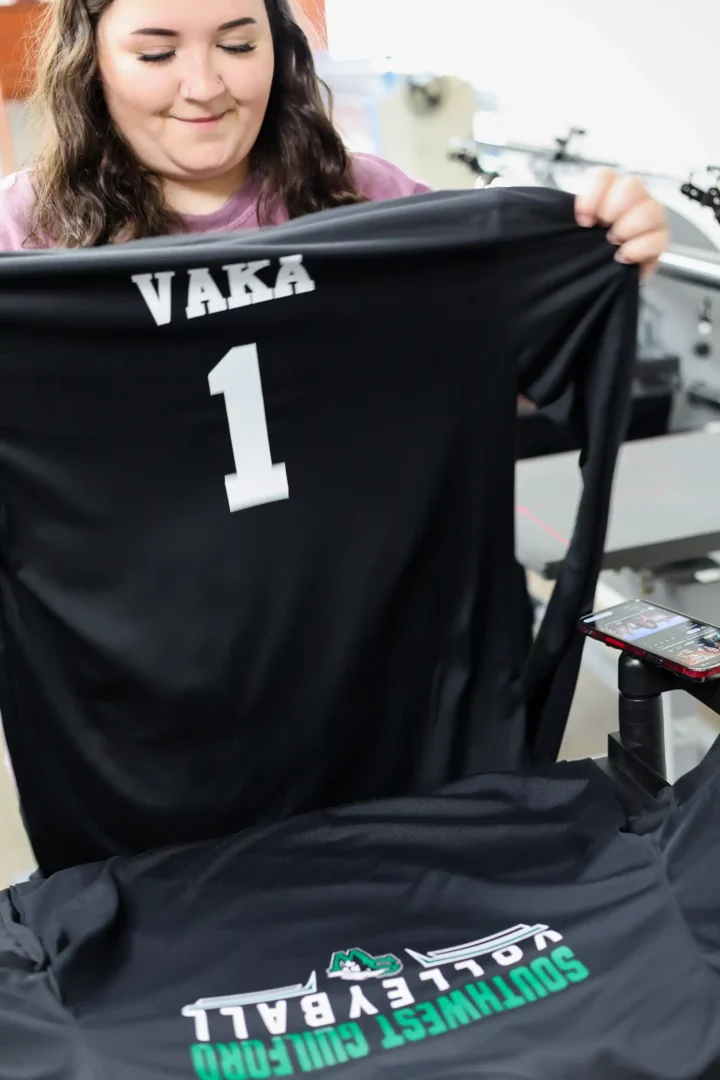
Individual names, numbers, or department titles on every piece without resetting screens.
Short runs of detailed logos, photo designs, or multiple artworks for launches and pop up events.
Key technical factors to evaluate before sending your artwork to production.
Artwork & Detail Level
Screen printing handles bold logos and solid spot colors with rich, opaque ink, but every added color means another screen. DTF reproduces gradients, fine lines, and photographic detail in a single pass, so complex artwork costs no more to print than a simple mark.
Garment Weight & Fabric
Screen printing performs best on cotton and cotton rich blends, where ink absorbs into the fibers for a soft finish. DTF adheres to cotton, polyester, nylon, and blends, making it the safer choice for performance shirts, jackets, and mixed garment orders.
Batch Size & Economics
Screen printing carries an upfront screen setup, but the cost per piece falls quickly as quantity rises, making it the most economical option for large runs. DTF has minimal setup, so its price stays steady per piece, which favors small and medium orders.
Washing & Environment
A quality screen print often lasts as long as the garment, even with frequent industrial washing. DTF also holds up to repeated washing when pressed correctly, though large solid DTF areas feel heavier and breathe less on hot, active job sites.
Logos with one to three solid colors suit screen printing. Photos, gradients, or many colors point to DTF.
Cotton tees favor screen printing. Polyester, nylon, or mixed garments in one order favor DTF.
Large identical runs and repeat reorders favor screen printing. Short runs or individual names favor DTF.
Need some extra support, or have a special request?
Browse our offerings and choose apparel or gear that works for you and your brand, upload your logo, and complete checkout.
We always send a proof of each item for your final approval, and you can request changes before production begins.
Each item is embroidered or printed in house with the thread or ink colors you chose.
Once your order is ready, you will be notified that it has shipped or that it is ready for pick-up whichever option you chose at checkout.
Everything you need to know about our in-house production, physical sample approval, and order process.
Neither is better across the board. DTF is better for full color artwork, small runs, polyester garments, and individual names. Screen printing is better for large orders of the same design in a few solid colors, where it delivers a lower cost per piece and a softer, more breathable print.
No. A quality screen print usually outlasts DTF because the ink bonds into the fabric fibers and can last as long as the garment itself. A properly pressed DTF transfer still holds up well, typically 50 or more washes, when the garment is washed inside out and dried on low heat.
DTF prints sit on top of the fabric as a thin film, so large solid areas feel heavier and breathe less than screen printed ink. The cost per piece stays about the same regardless of quantity, which makes large orders more expensive than screen printing. Durability also depends on correct heat, pressure, and curing during application.
No. DTF has taken over many short run and full color jobs, but screen printing remains the most cost effective method for large orders and simple logos. Most professional shops, including Sew NC, use both methods and recommend the one that fits each order.
It depends on quantity and colors. For small orders or designs with many colors, DTF is usually cheaper because there are no screens to set up. For large orders with one to three colors, screen printing becomes cheaper per piece as the setup cost spreads across more garments.
Yes. A common approach for team and staff apparel is to screen print the main logo on the front for the lowest cost per piece, then add individual names or numbers on the back with DTF.
Contact our decoration experts today. We’ll review your logo, garment selection,
and usage needs to recommend the most cost-effective option.