Most team-building ideas stall at the concept stage because the execution details are not resolved before the planning conversation ends. The activity gets selected, the date gets confirmed, and everything that needs to happen between that decision and a team showing up with matching branded gear gets left for someone to figure out later. That gap is where programs arrive late, apparel does not fit, and the branded element that was supposed to reinforce the experience becomes a logistical problem instead.
This guide works through the production decisions that sit behind team-building ideas involving branded apparel and merchandise, in the order those decisions actually need to be made to keep the program on track.
At Sew NC, team-building apparel orders follow a recognizable pattern: the idea exists, the date is set, and the production conversation starts later than it should. The organizations that avoid that pattern treat the apparel and merchandise component as part of the planning from the beginning, not as a detail to handle once everything else is confirmed.
Step One: Define What the Branded Apparel Needs to Do
Before selecting a garment or a decoration method, the first planning step for any team-building idea that includes branded apparel is defining what the item is supposed to accomplish. That sounds straightforward, but most organizations skip it and default to a t-shirt because it is familiar and economical, regardless of whether a t-shirt is actually the right format for the specific program.
Branded apparel in a team-building context serves at least one of three purposes, and sometimes more than one simultaneously. It creates visual cohesion among participants during the activity itself. It generates ongoing brand visibility after the event when team members wear the item in personal and professional settings. Or it functions as a recognition vehicle, a tangible marker of the shared experience that the organization wants participants to carry forward.
Each of those purposes points toward a different garment format, a different quality tier, and a different decoration approach. An item whose primary purpose is visual cohesion during a one-day activity optimizes differently from an item whose primary purpose is generating two years of ongoing community impressions after a company retreat. Resolving which purpose the apparel is serving before selecting the garment prevents the most common format mismatches in team-building apparel programs.
For team-building ideas that involve outdoor or physically active components, the garment also needs to perform in the conditions the activity creates. A structured corporate polo is the wrong choice for a ropes course. A heavyweight fleece is the wrong choice for a summer volunteer day. The activity context shapes the garment requirement as much as the branding context does, and both need to be on the table before the selection happens.
Step Two: Select the Garment Before Selecting the Decoration
Garment selection comes before decoration selection, and reversing that order produces programs where the decoration method was chosen without accounting for how the fabric actually behaves in production. The two decisions are connected in ways that are not obvious until a production team points out that the decoration the buyer wanted does not work on the fabric the buyer selected.
T-shirts in a cotton-polyester midweight blend are the most versatile entry point for team-building ideas that need to keep per-unit cost manageable across a large group. They accept screen printing and DTF cleanly, work across a wide range of body types and activity contexts, and are practical enough in most climates to be worn during the activity itself. The limitation is that a t-shirt as the primary branded item for a significant organizational milestone communicates a different level of investment than a hoodie or a premium jacket would in the same context.
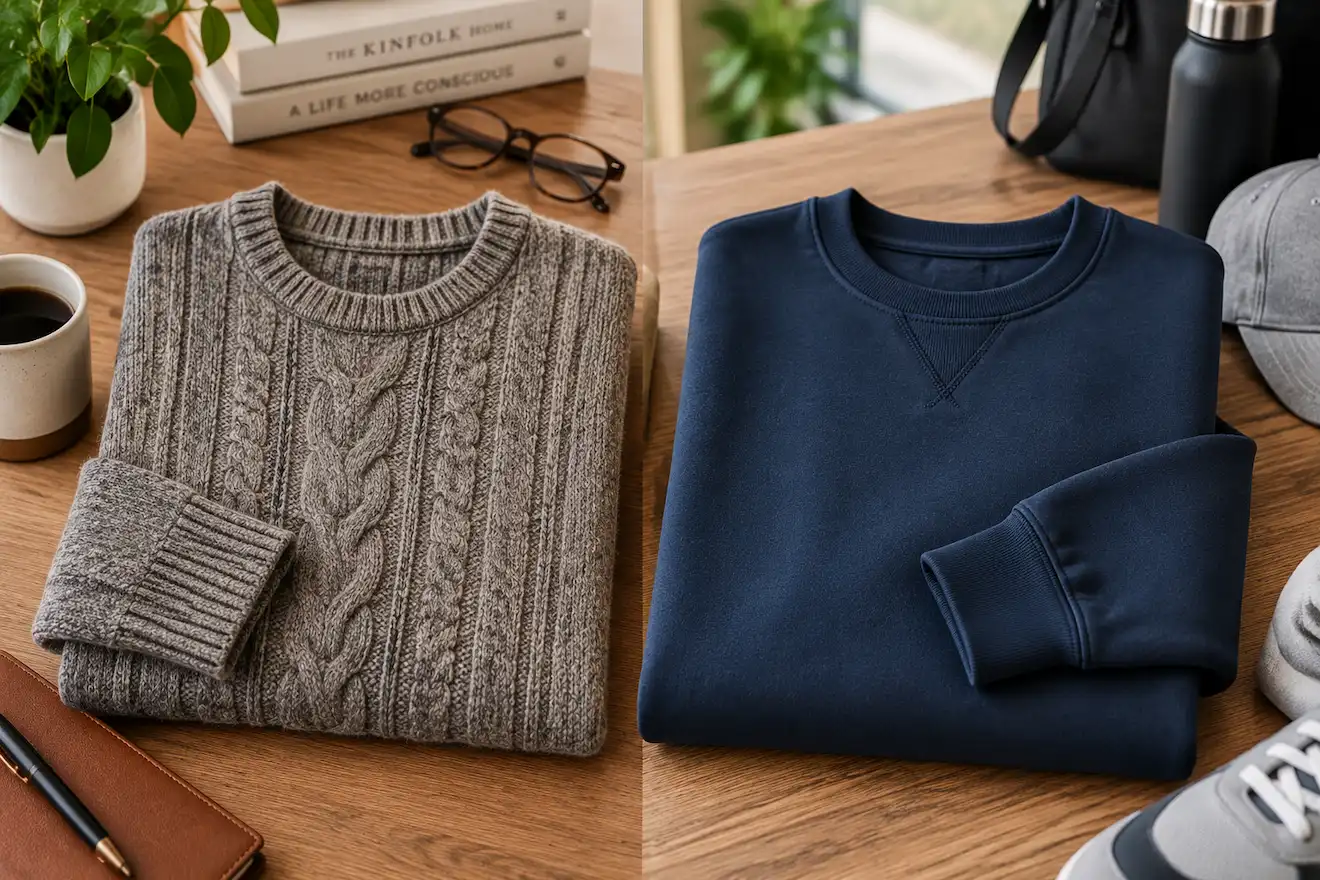
Hoodies and crewneck sweatshirts are the right format when the team-building idea involves a fall or winter setting, when the event is positioned as a meaningful organizational moment rather than a routine activity, or when the organization wants the branded item to have genuine take-home value beyond the day of the event. A quality pullover hoodie in a brand color with a clean embroidered or screen-printed logo is something participants reach for weeks and months after the activity, which extends the organizational return on the branded element significantly.
Performance fabrics belong in team-building ideas with significant physical exertion in warm weather conditions. Moisture-wicking blends manage heat buildup during active outdoor activities in a way that standard cotton jersey does not, and a team that is uncomfortable in their branded apparel during the activity itself is not having the experience the program was designed to create.
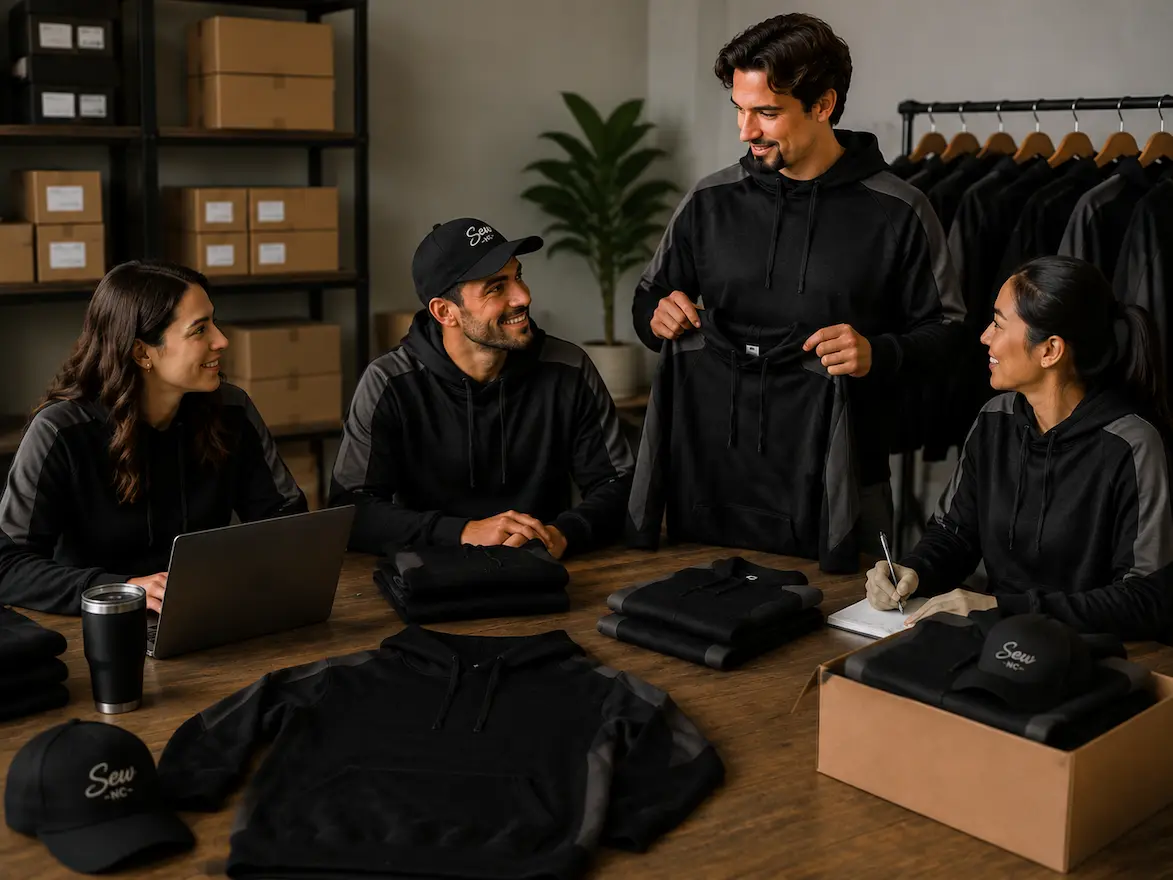
Custom apparel for mixed teams that include both office staff and field employees benefits from a single garment format that works across both daily contexts rather than two separate formats that create a fragmented visual program. A quality midweight crewneck or a structured performance layer usually covers both audiences without requiring two separate production setups within the same event order.
Step Three: Decide on Decoration Before Submitting Artwork
The decoration method for team-building branded apparel is a production decision that needs to be confirmed before artwork is submitted, not after. Submitting a logo file without a confirmed decoration method produces a situation where the production team may prepare the file for one process and the buyer assumed another, which requires revision and adds time to a timeline that is almost always tighter than it should be.
Screen printing is the standard for team-building ideas that involve t-shirts or hoodies at quantities above 24 pieces with consistent artwork across the full group. The per-unit cost at event-appropriate quantities drops to a level that makes it the most economical choice for simple to moderately complex designs, and the soft-hand result on a quality jersey or fleece surface holds up well through the active use a team event generates.
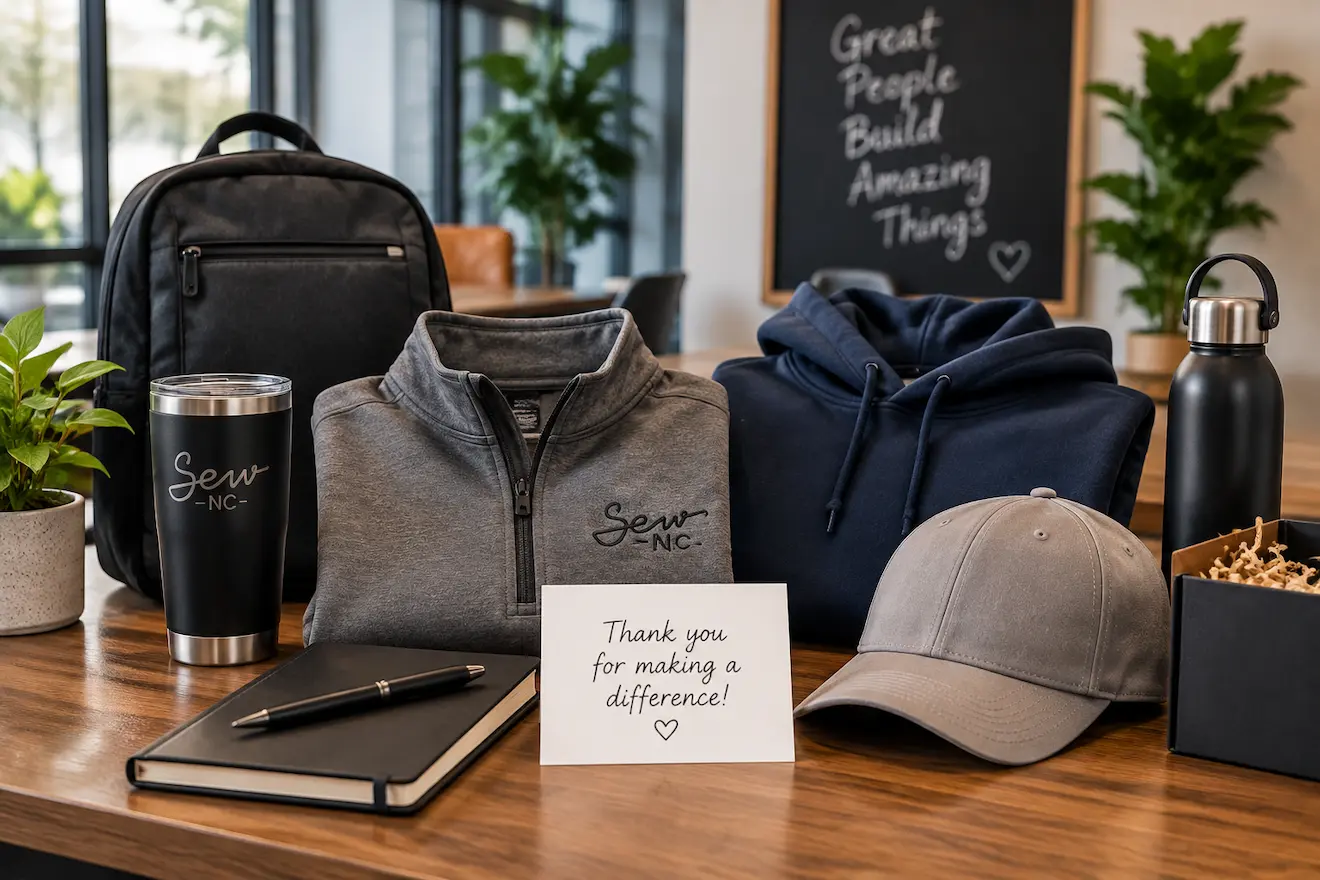
Embroidery belongs in team-building apparel programs where the garment is positioned as a premium take-home item rather than event-day wear. A jacket, a structured hat, or a quality quarter-zip with an embroidered logo communicates a different level of organizational investment than a screen-printed t-shirt, and for milestone team-building events where the branded item is part of the recognition rather than just the uniform for the day, embroidery is the method that matches the occasion.
DTF covers team-building ideas where the program includes design variations across subgroups, competing teams within the event, or departments that need a distinguishing element alongside a shared organizational logo. Running five design variants through DTF does not accumulate five sets of screen setup costs, which makes it the practical method for personalized or multi-variant programs at quantities below the screen printing threshold for each variant.
The artwork file format required varies by method. Screen printing needs vector files with separated colors. Embroidery needs a properly digitized DST or EMB file. DTF accepts high-resolution PNG files with transparent backgrounds in RGB color mode. Confirming which method is being used before preparing artwork for submission saves the revision round that happens when the wrong file format arrives at the production queue.
Step Four: Confirm Quantities and Size Distribution Early
Quantity and size planning for team-building branded apparel is the step most often handled too late, and the consequences of handling it late are more disruptive in event apparel contexts than in standard uniform programs because the distribution date is fixed and a shortage cannot be quietly resolved by delaying the distribution.
The quantity for a team-building event should be based on confirmed participation rather than estimated attendance. Building a 10 to 15 percent buffer above confirmed headcount covers last-minute additions and replacements without creating significant surplus of a garment that was relevant only to a specific event context. A 50 percent buffer above confirmed attendance in an event where the design references a specific date or occasion creates surplus inventory that serves no purpose after the event.
Size distribution for a mixed adult team consistently underweights the need for larger sizes when buyers estimate rather than collect. The standard adjustment from what most buyers initially assume toward what the group actually needs moves weight from small and medium toward large, extra-large, and 2XL. For team-building programs where every participant is supposed to have a garment that fits correctly during the activity, collecting confirmed sizes from participants before the order is placed is the step that prevents a distribution day where half the team cannot find their size.
For team-building ideas that include multiple branded items, a t-shirt for the event day and a hat or a hoodie as a take-home item, the quantity and size planning for each item needs to be handled separately rather than treated as a single order decision. A t-shirt run and a hat run have different minimum quantities, different production timelines, and potentially different decoration methods, and planning them as a coordinated program rather than independent orders ensures everything arrives together.
Step Five: Build the Timeline Backward From the Event Date
The production timeline for team-building branded apparel is the planning variable that most consistently produces problems when it is not accounted for from the beginning of the program planning process. Standard decorated apparel production runs two to three weeks from artwork approval under normal conditions. That estimate does not include the time required to collect sizes from participants, prepare and revise artwork, or source garments that are not in immediate stock.
Working backward from the event date rather than forward from the order placement date produces a realistic picture of when each step needs to be completed. If the event is six weeks out and the production window is three weeks, that leaves three weeks for size collection, artwork preparation, and proof approval. Three weeks is manageable if the process starts immediately. It is not manageable if it starts two weeks after the planning conversation.
For team-building ideas planned around fall and winter events, the production window is compressed further by seasonal demand. October and November event apparel competes with year-end recognition programs, holiday merchandise orders, and seasonal retail production for the same manufacturing capacity.
Initiating the order in August or early September for a fall event is not premature. It is the planning standard that avoids the rush production situation that adds cost, reduces options, and increases the risk of errors that a more comfortable timeline would have caught at the proof stage.
At Sew NC, team-building ideas that include branded apparel benefit from the same production planning approach we bring to corporate uniform programs and large event orders. Our corporate apparel services cover the full range of garment formats, decoration methods, and program configurations for organizations planning team events, seasonal recognition initiatives, and company-wide branded apparel programs across the region.
Step Six: Plan the Branded Merchandise Beyond the Apparel
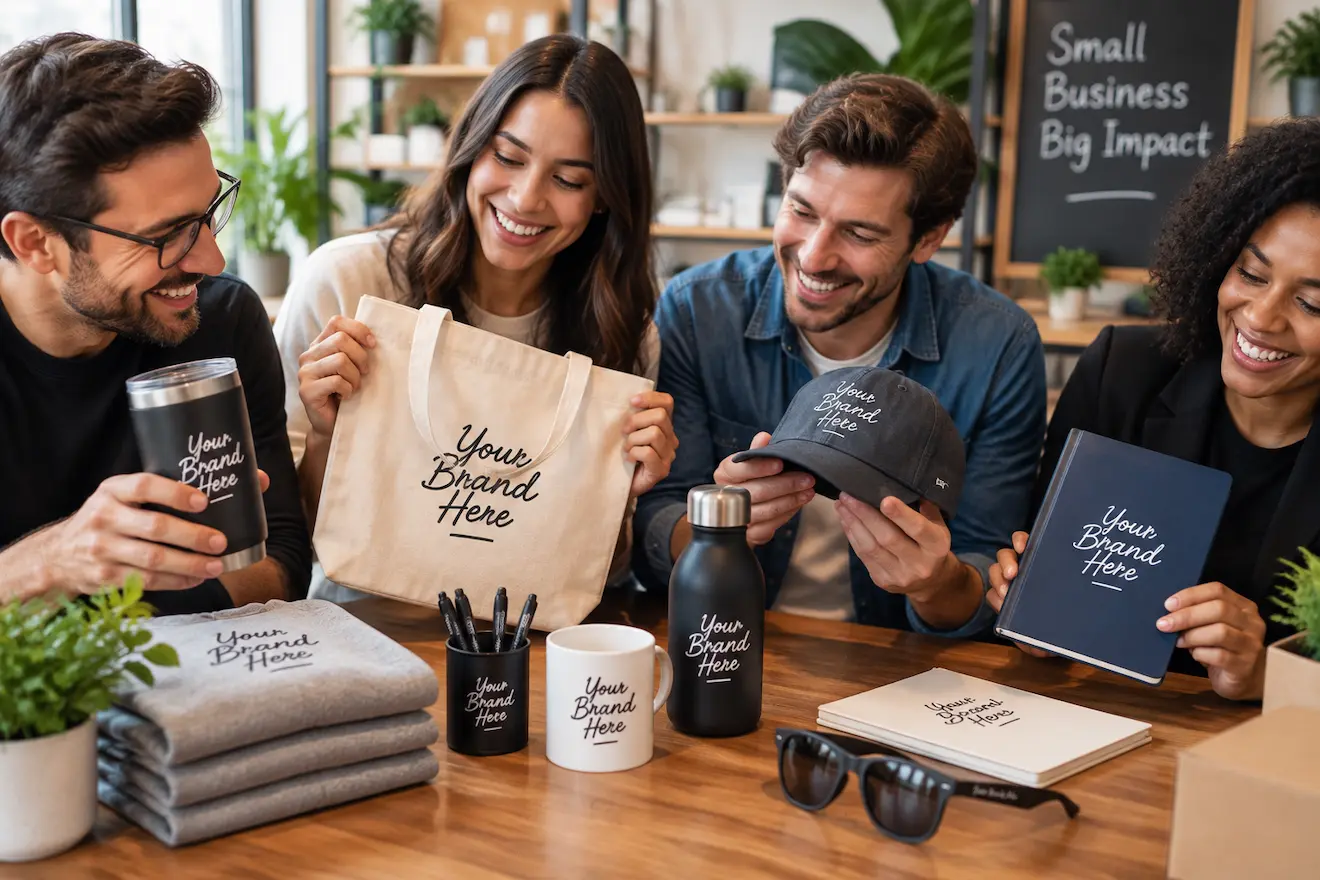
Team-building ideas that generate the strongest organizational return treat the branded element as a program rather than a single item. Apparel for the event day combined with a take-home merchandise item extends the program’s visibility and organizational association beyond the activity itself and into the participant’s daily life.
Drinkware is the merchandise category that most reliably earns daily use across the widest range of team member profiles. A quality insulated tumbler or water bottle distributed alongside event apparel travels to workplaces, home offices, and personal settings for years after the event. The ongoing visibility the item generates is concentrated in exactly the settings, colleagues’ desks, commutes, client meetings, where the organizational brand benefits from being seen.
Branded bags distributed as part of a team-building program work particularly well for events where participants are carrying gear, materials, or swag throughout the day. A quality tote or drawstring bag that serves a functional purpose during the activity becomes a daily-use item afterward, and the logo it carries travels into the community settings the organization serves without any additional investment after the initial order.
Headwear for team-building events works across outdoor activities, sporting events, and volunteer days where a branded hat provides functional sun protection during the event and ongoing community visibility afterward. A quality embroidered cap or beanie distributed as part of a team-building program adds a piece the recipient wears in personal settings over an extended period, which produces a different kind of return than apparel items that remain associated primarily with the work context.
Step Seven: Archive the Program for Future Reorders
Team-building ideas that work well get repeated, and the organizations that run effective annual or recurring team programs benefit most when the branded apparel component is treated as a repeatable system rather than a one-time order.
Archiving the decoration files, the garment specifications, the color references, and the size distribution from the initial program run makes each subsequent order operationally simpler and visually consistent with what came before. The second year’s team-building hoodie should look like it belongs to the same program as the first year’s, not like a new selection was made independently.
Confirming that the selected garment is part of a supplier’s core catalog before committing to it for an ongoing program prevents the situation where the style is discontinued between the first and second season. A program built around a garment that cannot be reordered consistently is not a program. It is an order that will require full re-selection the next time the program runs, which adds planning time and breaks the visual continuity that recurring programs are supposed to build.
Reach out through the Sew NC contact page to build your business apparel strategy for your next team-building initiative. The planning conversation is where programs arrive on time, fit correctly, and do the organizational work they were designed to do, and it is worth having before the event date is any closer than it needs to be.