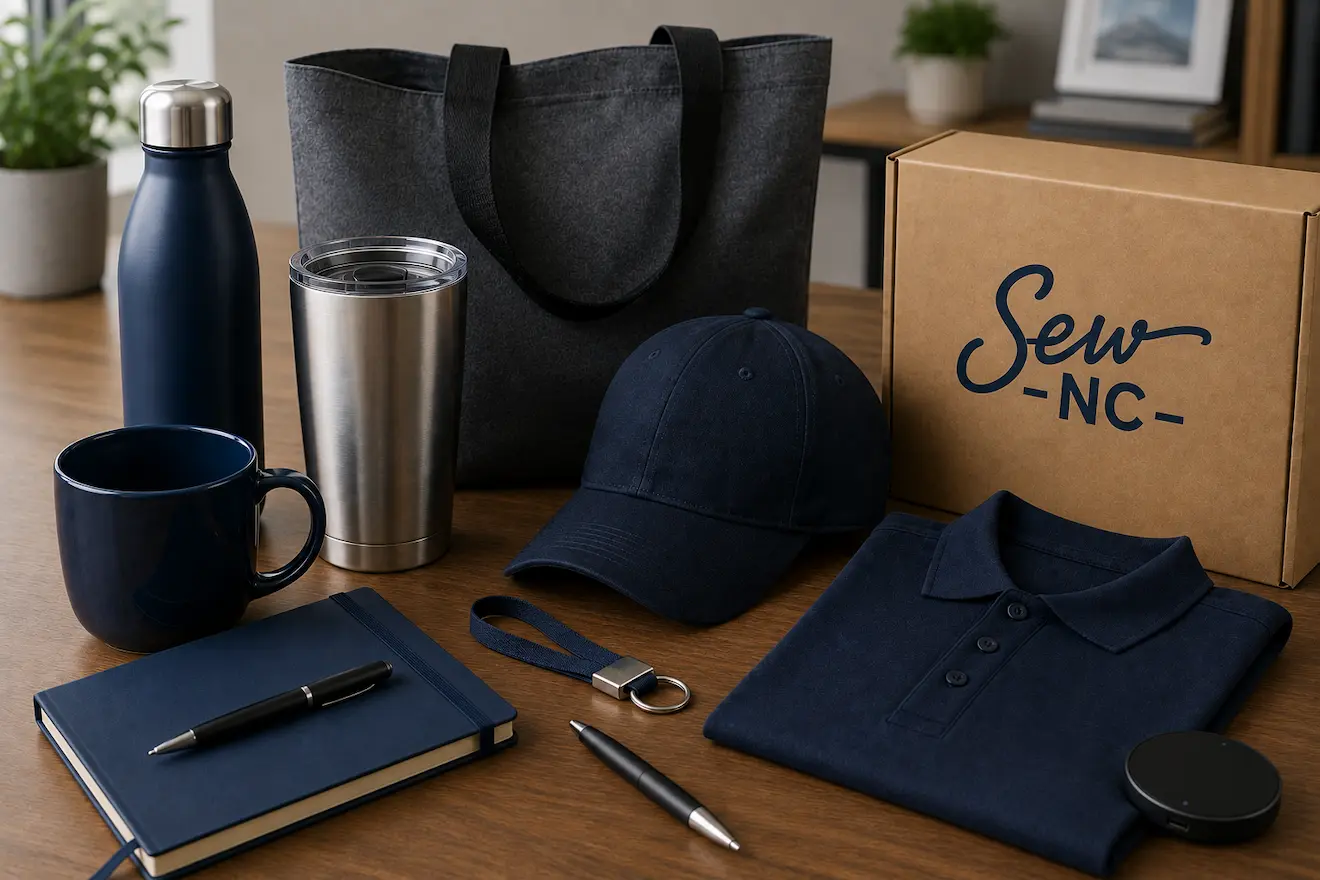
Corporate clothing is one of those purchasing decisions that looks straightforward from the outside and reveals its complexity the moment someone starts making real choices. Which garments fit different roles. Which decoration method holds up through the conditions the apparel will actually face. Whether the program is designed to last or built around whatever was easiest to approve at the time.
The brands that consistently get this right treat corporate clothing as a system, not a one-time purchase. The ones that struggle tend to make garment, decoration, and quantity decisions independently of each other.
At Sew NC, we work with businesses across a range of industries on corporate clothing programs that are built to be worn, reordered, and maintained without becoming a project every time a new hire joins the team.
What Corporate Clothing Is Actually Supposed to Do
Before selecting garments, decoration methods, or quantities, it helps to be clear about what the apparel program needs to accomplish. Corporate clothing serves different functions depending on who is wearing it, where they are wearing it, and what impression the organization needs to create in that context.
For customer-facing roles, the apparel is part of the brand experience every time a staff member interacts with a client or a prospect. A sales team at a trade show, a technician arriving at a client’s home, or a front desk employee greeting visitors are all moments where the clothing communicates something about the organization before a word is spoken.
That first impression is either consistent with the brand or it undermines it, and the garment quality, the decoration quality, and the overall coherence of the program determine which one it is.
For internal teams, corporate clothing builds visual cohesion across a group and communicates organizational identity to the people wearing it. A field crew in matching branded gear looks like a team. An office staff in consistent corporate casuals looks like an organization that takes its presentation seriously. Neither outcome happens by accident.
For events and trade shows, the apparel needs to perform in a compressed, high-visibility context where a lot of impressions are generated in a short period. The standard for event corporate clothing is higher than it might seem at the planning stage, because the environment amplifies both good and poor execution.
Garment Selection by Role and Context
The garment that works for one role in an organization may be entirely wrong for another, and building a corporate clothing program that treats all staff identically often produces apparel that fits no one’s actual work context particularly well.
Polo shirts with logo embroidery are the default for good reason. They sit at the right point on the formality spectrum for most customer-facing and office-adjacent roles, they work across a wide range of body types and sizes, they photograph cleanly in team photos and marketing materials, and they hold up through regular laundering without requiring special care. The pique knit surface provides a stable base for embroidery, which means the logo registers consistently and maintains its appearance across years of regular use.
Button-down shirts and woven dress shirts belong in corporate clothing programs where the role or the client context calls for a more formal presentation. Financial services, legal, real estate, and client-facing consulting roles often land here. The decoration method for woven dress shirts is typically embroidery at left chest placement, keeping the branding clean and professional without competing with the garment’s formal aesthetic.
Performance and quarter-zip pullovers are the right choice for sales teams, corporate casual environments, and roles that move between indoor and outdoor settings throughout the day. They layer easily, travel well, and present a step above a standard polo without the formality of a woven shirt. For organizations whose corporate clothing program includes events and trade shows alongside daily wear, a performance pullover or quarter-zip often becomes the most versatile piece in the program.
Company Uniforms and the Case for Consistency
Company uniforms work best when the program is built around a small number of standardized garments rather than a wide variety of options. The instinct to accommodate every preference within a team produces a program that looks cohesive in concept and fragmented in practice, because the visual consistency that makes uniforms effective disappears when no two staff members are wearing the same thing.
Standardizing on one or two base garments in the organization’s primary brand color, with a consistent logo placement and decoration method across all pieces, produces the strongest visual result. Variation can be introduced through color to differentiate departments or roles while maintaining the overall program coherence, but that variation should be planned rather than accumulated through individual requests over time.
The garments selected for a company uniform program need to be part of a supplier’s core catalog rather than a seasonal or limited-availability style. A program that cannot be reordered consistently because the garment is discontinued or out of stock between runs creates operational friction that a standardized program is supposed to eliminate.
Confirming continued availability before committing to a garment for an ongoing uniform program is a practical step that prevents a frustrating sourcing problem later.
Decoration consistency across reorders is the other variable that determines whether a company uniform program looks like a program or like a collection of similar but slightly different shirts ordered over time. A production partner that archives digitized files, thread color specifications, and placement settings from the initial run reproduces the same result on every subsequent order.
Corporate Casuals and What That Category Actually Means
Corporate casual as a dress code category covers a wide range of garments and interpretations, and the corporate clothing selected for a casual program needs to reflect what the organization actually means by the term rather than defaulting to whatever is easiest to approve.
For most organizations, corporate casual lands somewhere between a polo shirt and a performance pullover on the formality spectrum. The right garment depends on the industry, the client base, and the work environment. A tech company’s corporate casual program looks different from a financial firm’s, and a construction company’s field team has different requirements from both.
The consistent element across well-executed corporate casual programs is that the garments feel intentional. They were selected for the context, not defaulted to because they were available. The color is aligned with the brand palette. The fit is appropriate for the range of body types in the organization. The decoration is clean, consistently placed, and applied with a method that matches the garment’s aesthetic and intended lifespan.
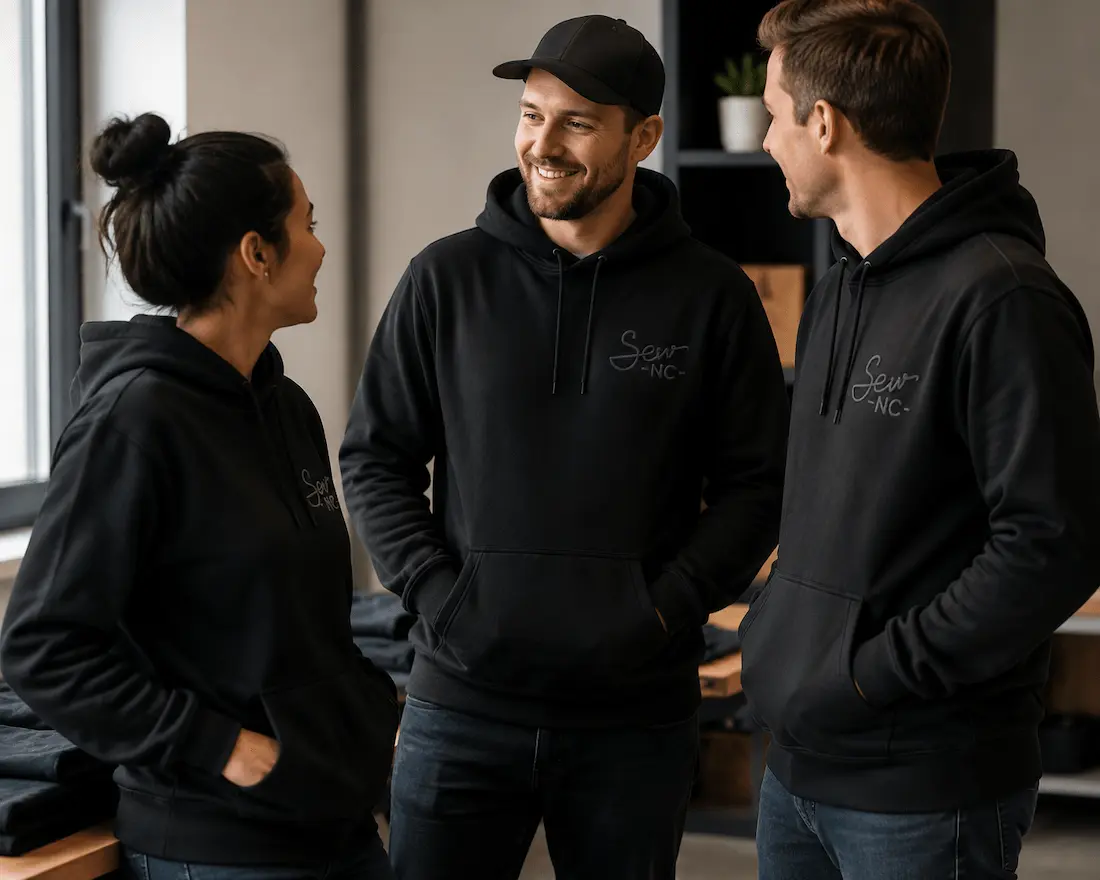
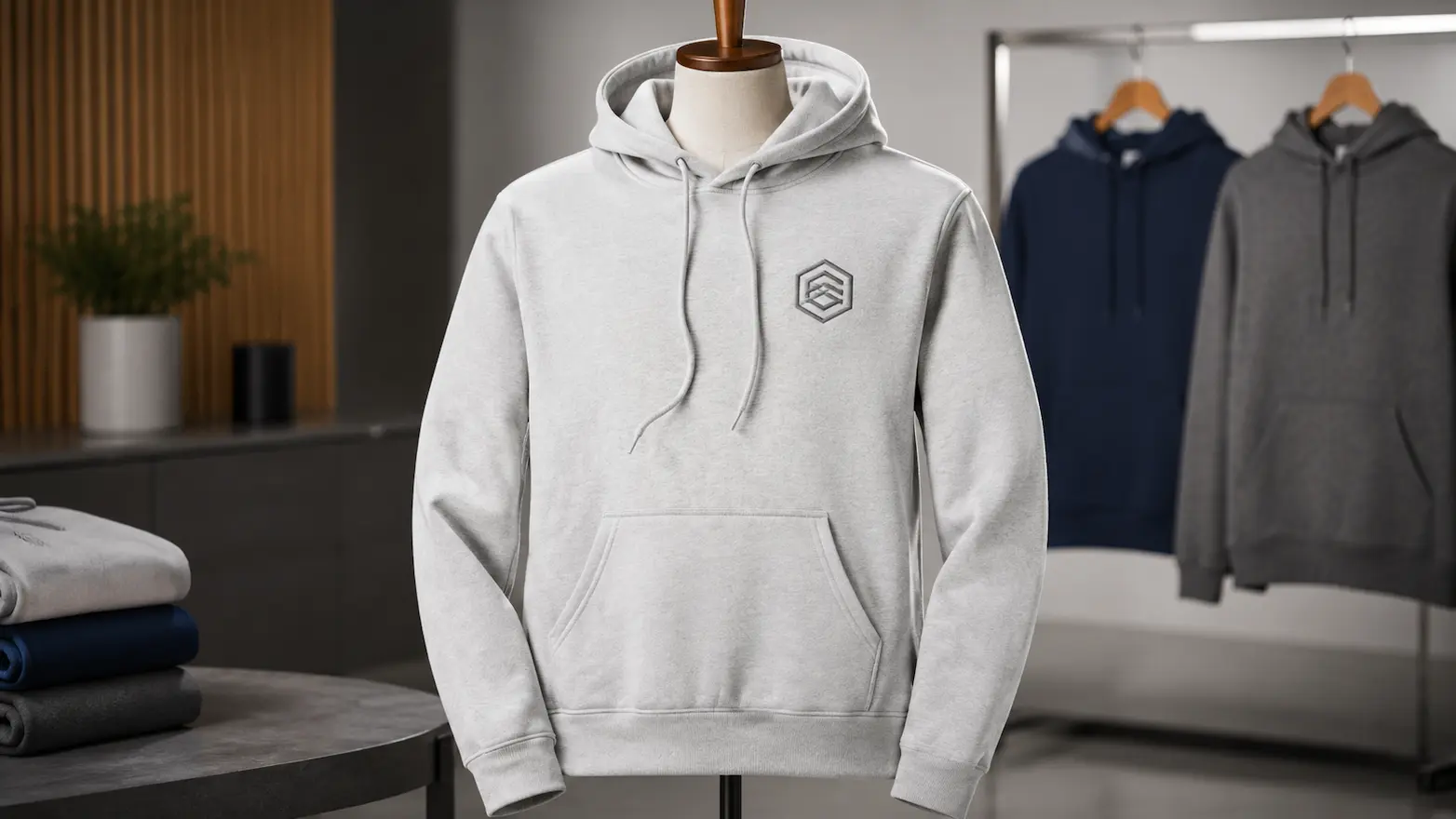
Hoodies and crewneck sweatshirts have become legitimate corporate casual pieces in industries where the culture supports a more relaxed presentation. For tech companies, creative agencies, nonprofits, and organizations whose brand identity runs informal, a quality branded hoodie or crewneck is a practical and well-received piece of corporate clothing that employees actually choose to wear beyond the workday.
Polo Shirts with Logo: The Corporate Standard Explained
Polo shirts with logo embroidery occupy the center of the corporate clothing market for reasons that have held up across decades of changes in workplace dress codes. The garment is versatile enough to work in casual and semi-formal contexts, structured enough to read as professional in customer-facing situations, and practical enough to be worn comfortably through a full workday across a wide range of physical conditions.
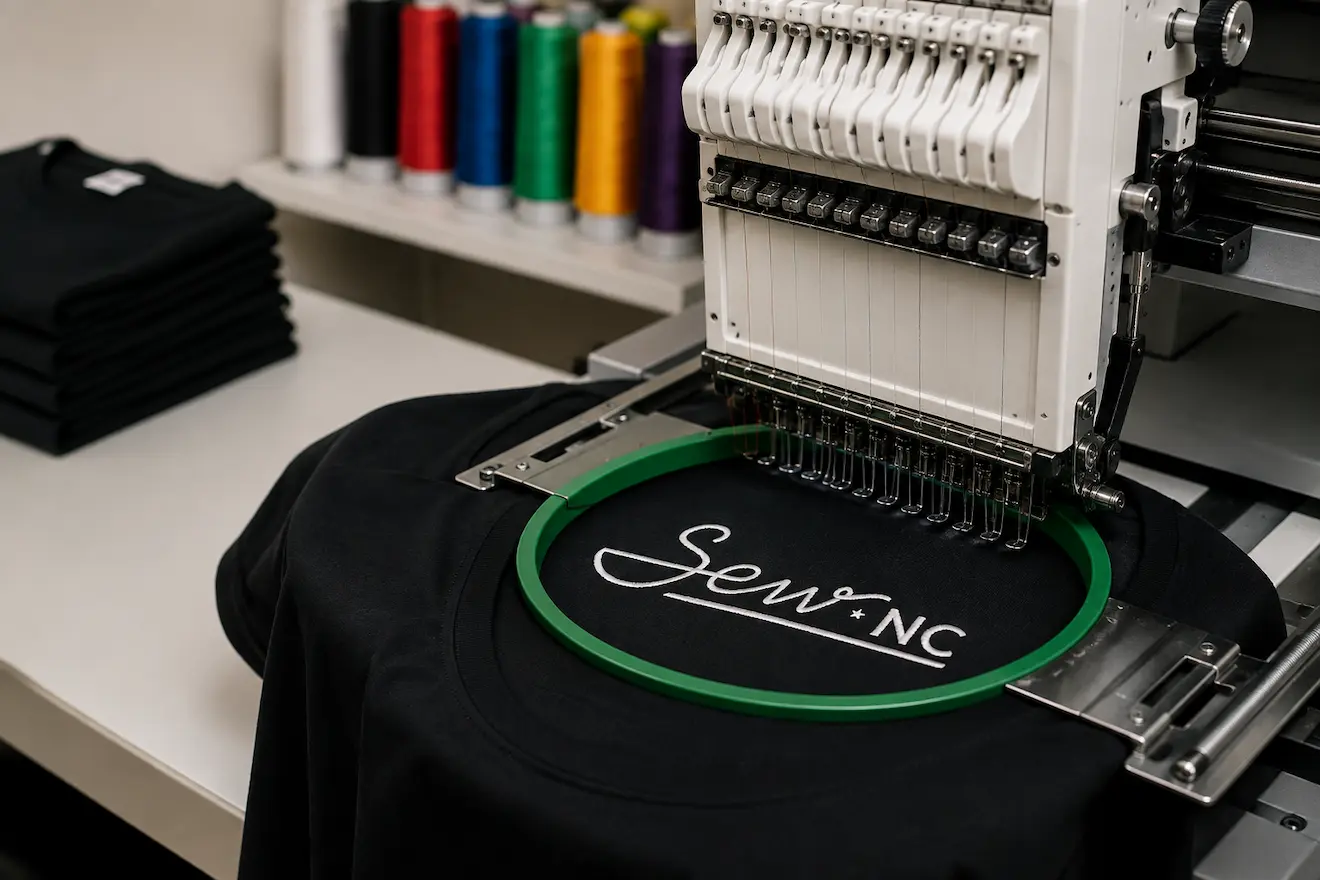
The decoration method for a polo shirt logo is almost always embroidery, and the standard placement is left chest. That combination produces a result that ages well, holds up through laundering cycles, and communicates brand intentionality without overwhelming the garment.
Size and fit selection for polo shirt programs requires more attention than buyers typically give it at the ordering stage. Standard fit, slim fit, and relaxed fit polos produce very different appearances on the same person, and organizations that do not account for fit preferences across a diverse team end up with staff wearing garments that do not represent the brand the way the program intended.
At Sew NC, polo shirts with logo embroidery are among the most consistently ordered pieces in our corporate clothing work, and the programs that produce the best results are the ones where the garment selection, the fit range, and the decoration specifications are worked out before the first order rather than adjusted after it arrives. Our corporate apparel services cover polos, button-downs, performance pullovers, outerwear, and workwear for businesses across the region.
Corporate Clothing for Trade Shows and Events
Trade show and event apparel occupies a specific position in the corporate clothing category because the context compresses a large number of brand impressions into a short period and places the apparel in direct comparison with what competitors and other exhibitors are wearing.
The standard for event corporate clothing is higher than for daily wear in one specific way: it needs to look consistently professional across an entire team over the course of a full day or multiple days. A garment that looks acceptable in the first hour and less so by the fourth is not serving the brand at the moment when the impression matters most.
Color selection for event apparel is an opportunity to stand out from a crowded environment. A team dressed in consistent branded colors is immediately identifiable across a trade show floor in a way that a team in generic or muted colors is not. The brand’s primary color, applied consistently across every team member’s apparel, is the most straightforward way to build visual presence in a high-density event environment.
Layering options within an event corporate clothing program extend the program’s utility across different temperature environments and different levels of formality within the same event. A branded quarter-zip over a branded polo gives staff the flexibility to adjust their presentation without breaking the visual consistency of the team.
Planning for that layering from the beginning produces a more functional and more polished event program than selecting a single garment and hoping the environment cooperates.
Decoration Methods for Corporate Clothing
The decoration method applied to corporate clothing affects how the brand appears, how long that appearance holds up, and whether the garment continues representing the organization well across its full lifespan.
Embroidery is the preferred method for most corporate clothing applications because it produces a result that communicates quality, holds up through extensive use and laundering, and ages better than any print-based alternative. Thread on woven fabric produces a dimensional finish that reads as intentional and professional in customer-facing contexts.
For polo shirts, button-downs, quarter-zips, and outerwear, embroidery at left chest placement is the decoration standard that has earned its position through consistent, durable results.
Screen printing is the right choice for corporate clothing when the design is large, the quantity is substantial, and the artwork involves coverage that embroidery cannot reproduce efficiently. Staff t-shirts for a company event, branded shirts for a community outreach program, or team gear for an internal company gathering are scenarios where screen printing serves the purpose better than embroidery at a lower cost per unit.
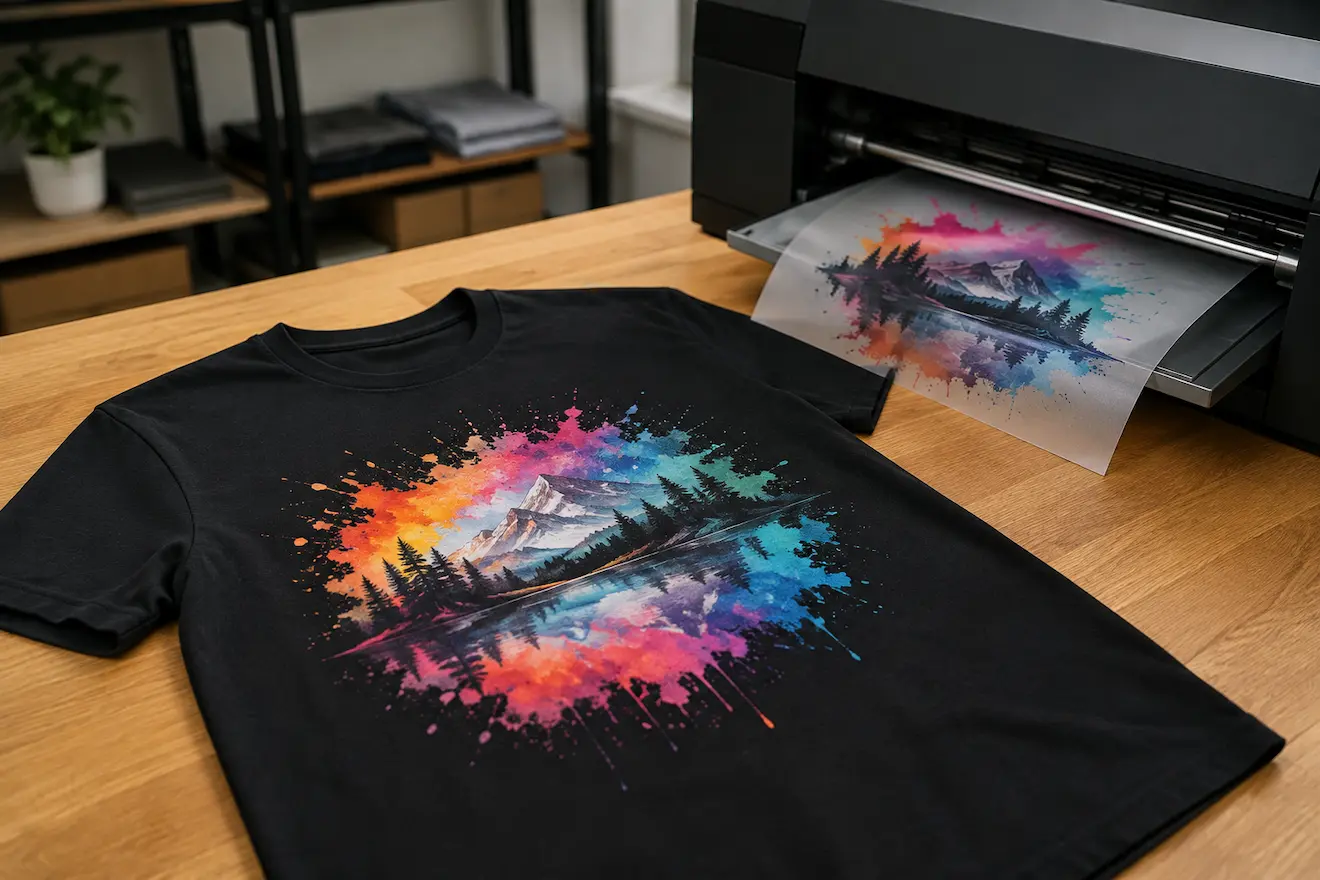
DTF printing addresses the situations that fall between those two methods: smaller runs with complex artwork, multi-color designs that would be cost-prohibitive to screen print at low quantities, or garment types where the artwork detail exceeds what embroidery can reproduce.
For organizations building a corporate clothing program that includes a variety of garment types and design complexities, understanding which method fits each piece of the program from the beginning prevents the expensive recalibration that happens when the wrong method is applied to the wrong job.
Planning a Corporate Clothing Program That Lasts
The most common problem in corporate clothing programs is not poor quality. It is poor planning. Programs that were not designed to be maintained produce fragmented results over time as reorders drift from the original garment, decoration colors shift between runs, and new pieces that were never part of the original program get added without coordination.
A corporate clothing program designed to be maintained starts with a written specification: garment brand and model, color, decoration method, logo file version, thread color specifications, and placement measurements. That document is the reference that keeps every subsequent reorder consistent with the original, regardless of how much time passes between runs or whether the same person is managing the program.
Quantity planning for an ongoing program should account for the full scope of the organization’s apparel needs across a reasonable planning horizon. Ordering a modest buffer above current headcount on the initial run is more economical than placing frequent small reorders at higher per-unit costs.
Understanding the pricing structure across different quantity tiers before deciding how much to order helps organizations make smarter decisions about the total investment in the program rather than optimizing for the lowest possible upfront cost.
Reach out through the Sew NC contact page to plan a corporate clothing order for your team. Whether the program is a first run for a growing business or a refresh of an existing uniform system, the goal is the same: apparel that represents the organization consistently, holds up through real use, and can be reordered without starting the process over every time.