Ordering promotional items with logo is one of those purchases that feels simple until the questions start arriving. Which item. For whom. In what quantity. Decorated how. Ready by when. Each decision shapes the next, and making them in the wrong order produces a program that costs more than it should and delivers less than it was supposed to.
Most of the problems that surface after a promotional merchandise order is complete were preventable at the planning stage. Not through specialized knowledge, but through asking the right questions before selecting an item.
At Sew NC, promotional items with logo come through for client gift programs, staff recognition, recruiting events, community outreach, and seasonal campaigns. The orders that generate real returns share one consistent trait: the selection decisions were made with the audience and the purpose in mind from the start.
Start With Who Is Receiving It
The most common planning mistake in branded merchandise is leading with the product rather than the person. A buyer picks an item, places a logo, approves a proof, and distributes the run before ever clearly defining who is supposed to use the thing and in what context. The result is merchandise that was never designed for anyone in particular.
Every promotional item with logo that generates sustained visibility does so because it fits naturally into how the recipient spends their time. That fit is the variable that separates merchandise that stays in rotation for months from merchandise that ends up in a donation pile. And that fit can only be identified by thinking about the recipient’s daily life before selecting the item, not after.
A client who commutes by car every morning and works from a home office has a different set of useful branded items available to them than a college student whose daily carry is a backpack and a water bottle. A field technician working outdoors in variable weather has different daily needs than a marketing coordinator sitting at a desk. The item that earns a permanent place in each of those routines is genuinely different, and no catalog default covers all of them equally well.
Mapping the audience before selecting promotional items with logo does not require extensive research. It requires honest answers to a small number of questions about how the intended recipients actually live and work before the order goes anywhere near a proof.
Utility Is the Only Honest Measure
A promotional item with logo that solves a real problem for whoever receives it will be used. One that does not will not. That is the simplest and most accurate way to predict whether a branded merchandise investment will produce anything worth measuring.
Utility does not mean strictly functional. A well-made branded hoodie is not solving a survival problem for most recipients, but it provides warmth and comfort in a garment the person genuinely wants to wear. That qualifies as useful because it produces regular, voluntary use without requiring the recipient to change any existing behavior.
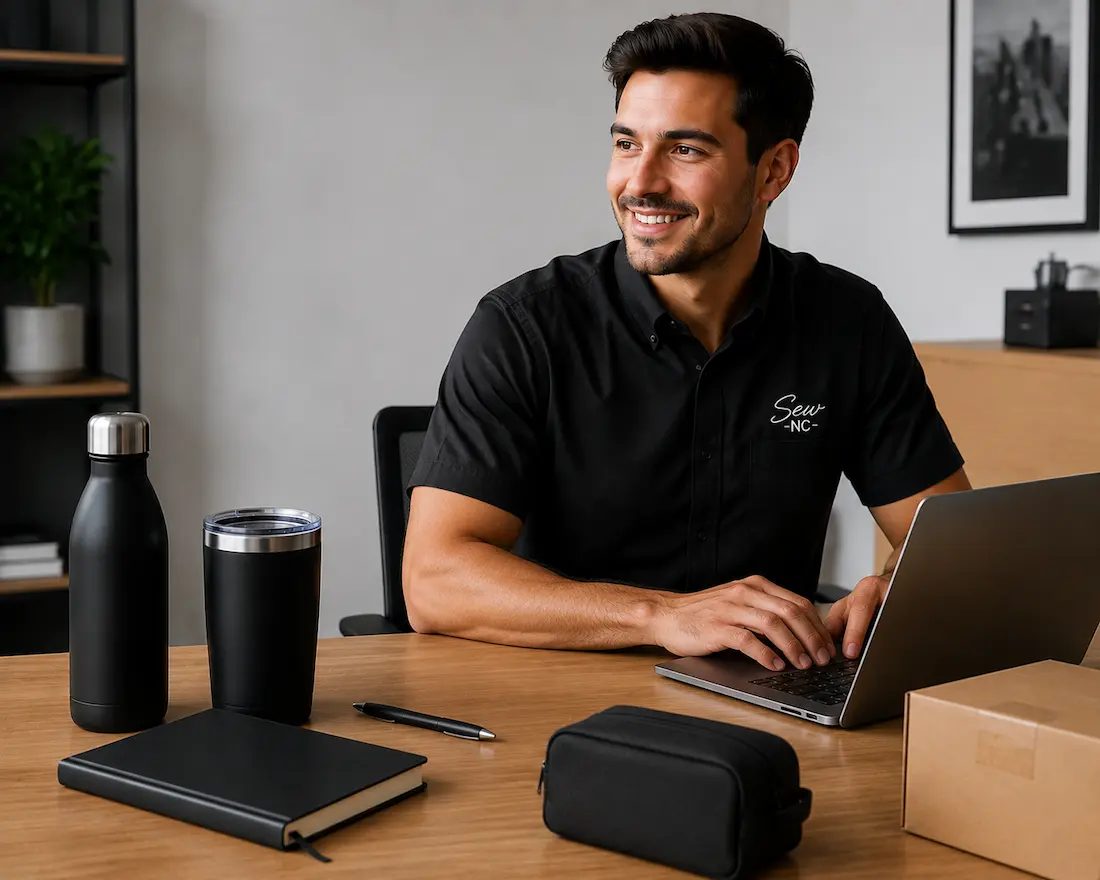
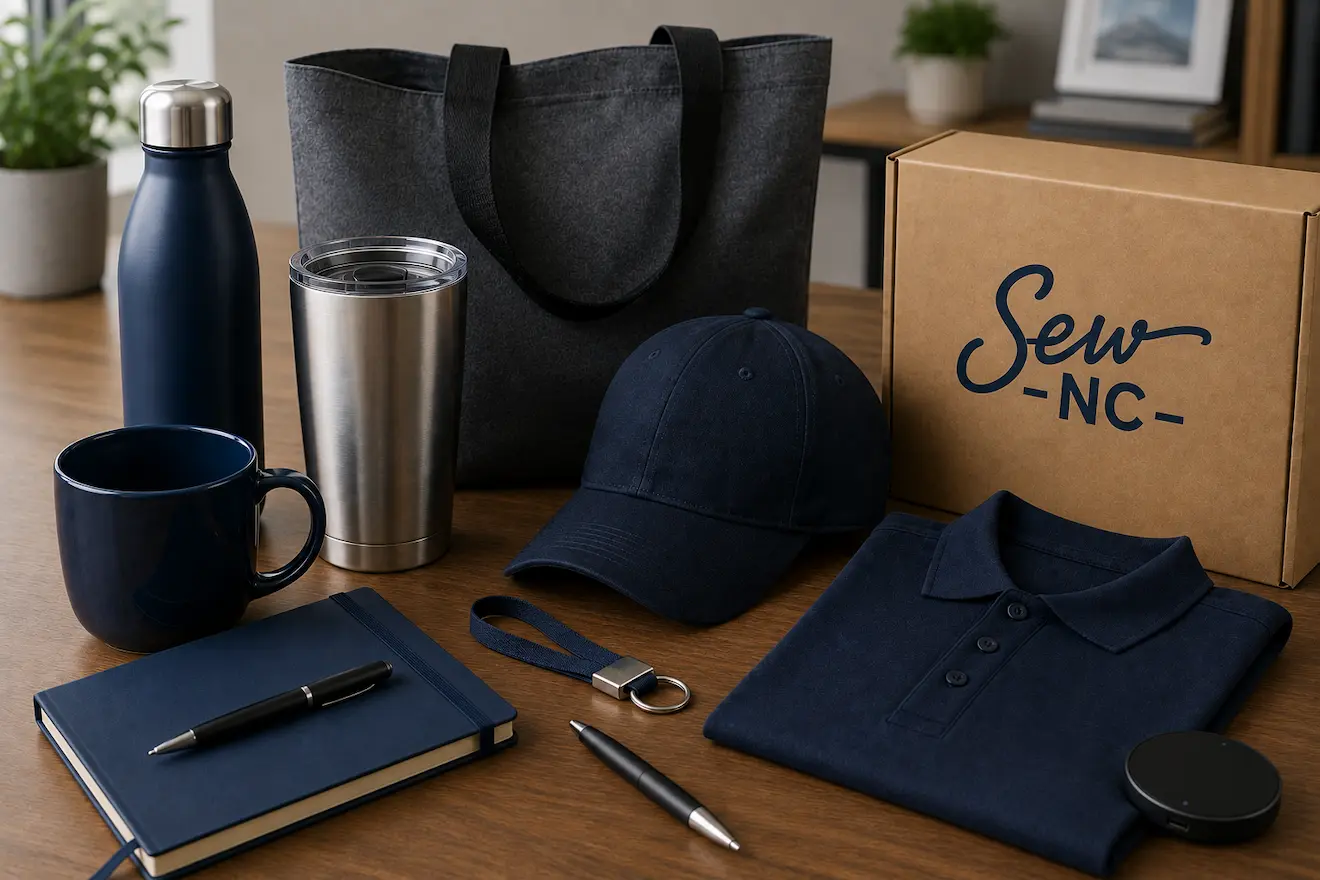
The categories that consistently produce the highest use rates across the promotional merchandise space are apparel, drinkware, bags, and writing instruments. What those categories share is that they slot into routines the recipient already has. A branded travel mug fits into a morning coffee routine. A branded tote fits into a grocery run. Neither item asks the recipient to do anything differently. It just replaces something they were already doing with a version that carries the brand along.
Promotional gifts that miss on utility tend to share recognizable characteristics. They are novel rather than functional. They duplicate something the recipient already owns and prefers. They require setup or maintenance nobody anticipated. Or they are clearly selected for the brand’s convenience rather than the recipient’s benefit, which is something people recognize and respond to with quiet indifference.
What the Decoration Method Signals
The logo on a promotional item with logo is not just a brand identifier. It is a quality signal. A clean embroidered logo on a well-made hat communicates something fundamentally different from a low-resolution print on a thin bag. Both carry the brand. The impression they leave about the brand is not the same.
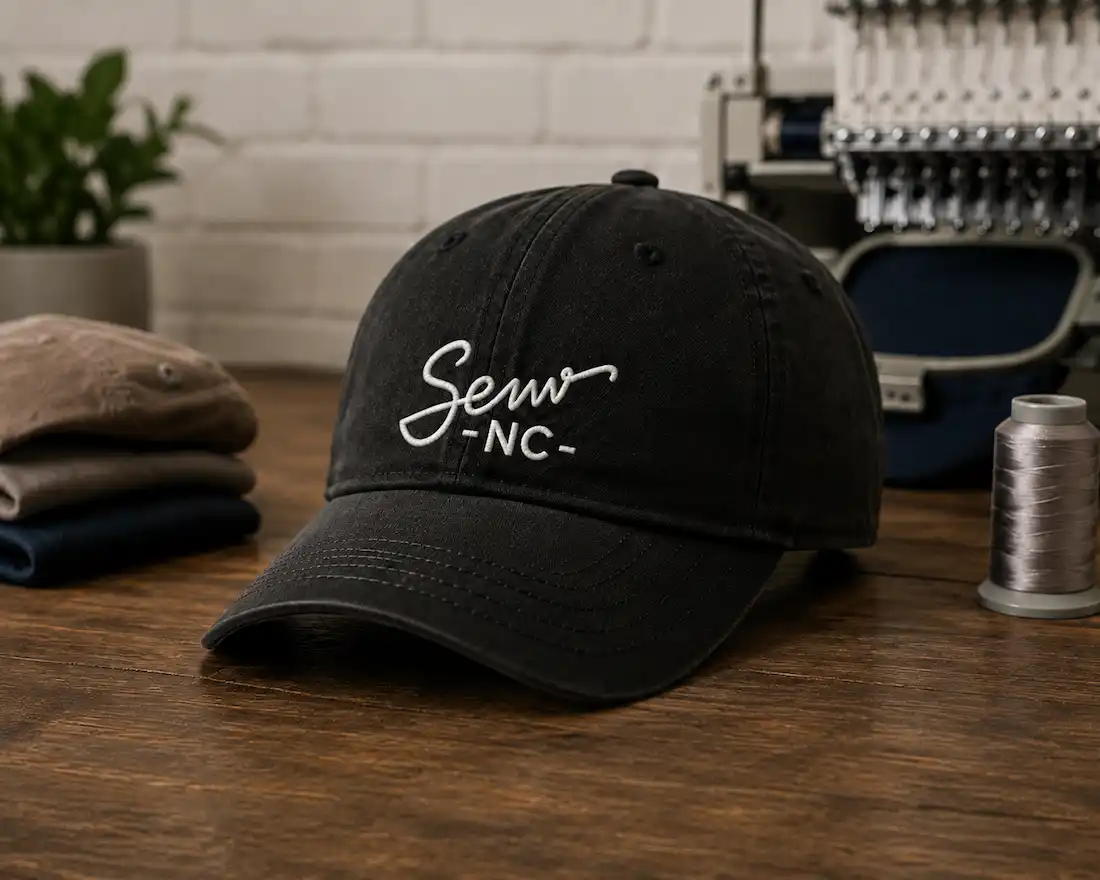
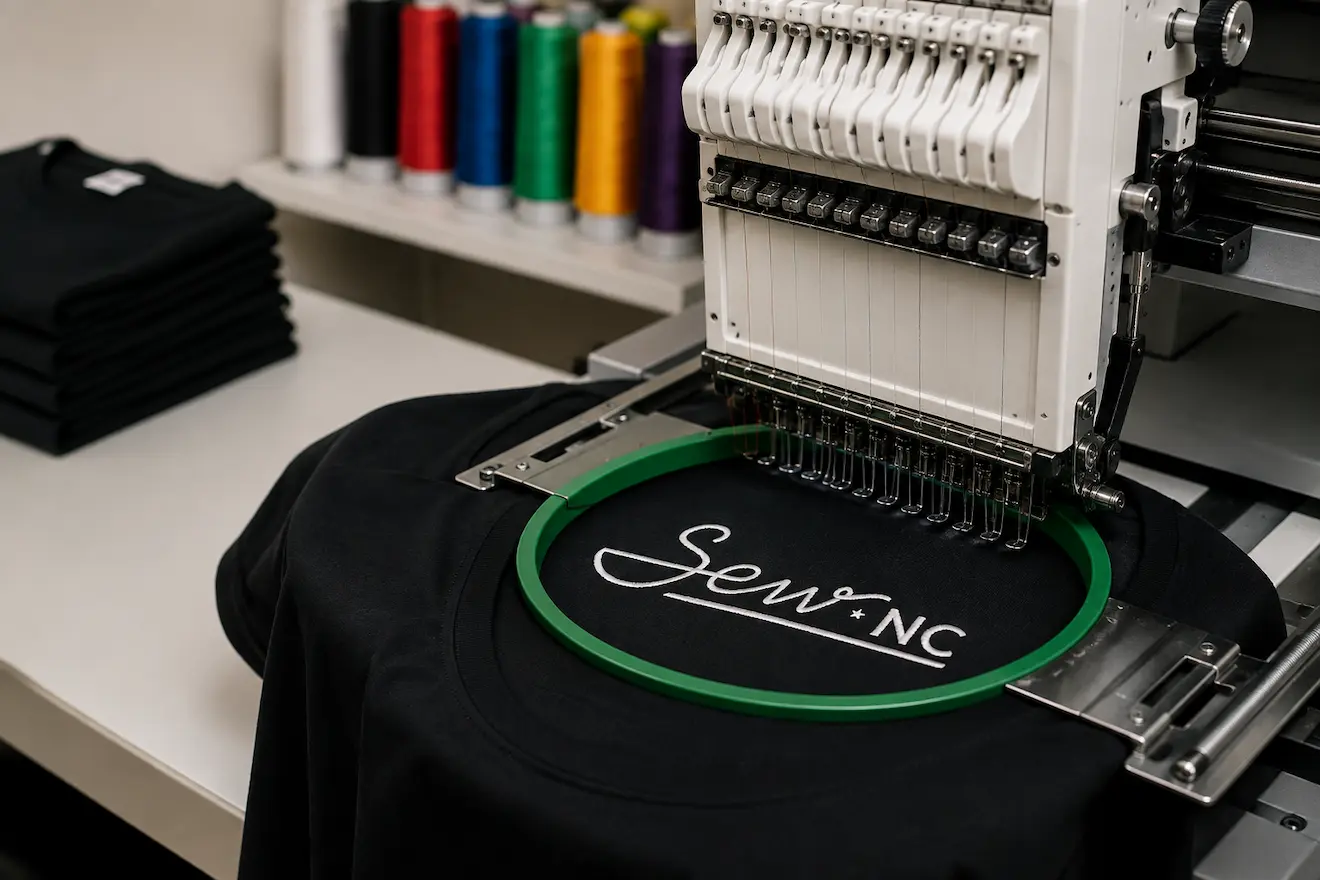
Embroidery is the decoration standard for items where the brand needs to communicate permanence. Headwear, apparel, and bags with embroidered logos read as considered branded merchandise rather than promotional giveaways. Thread on fabric adds a tactile dimension that print methods cannot replicate, and for client gifts or staff recognition programs where the brand impression extends beyond the moment of distribution, embroidery is the method that holds up over time.
Screen printing suits high-volume runs with bold, simple artwork where the program prioritizes reach over per-unit premium. Event t-shirts, community outreach apparel, and organizational gear are the natural territory for screen printing. The per-unit cost at volume is lower, and for programs where quantity serves the purpose better than quality perception does, that trade-off is the right one.
DTF handles full-color and complex artwork at quantities that do not make screen printing economical. For custom promotional products with detailed logos or multi-color designs in smaller runs, DTF covers the production gap without requiring the buyer to simplify the artwork or commit to a minimum they cannot use.
The decoration method should match the quality tier of the base item. Premium embroidery on a low-quality product creates a mismatch the decoration cannot overcome. A quick print on a quality bag undermines the brand signal the bag itself was supposed to generate. Both variables are part of the same impression.
Promotional Bags and Why They Travel
Bags earn their place in the promotional merchandise conversation because they go places. A branded tote used for grocery runs, weekend markets, and errand days carries the logo into community settings the brand cannot otherwise reach without a meaningful media investment. A branded backpack goes to school, to practices, and to whatever the weekend holds. A laptop bag travels to meetings, conferences, and client sites. Each format fits a different daily context, and selecting the right one requires knowing enough about the audience to predict which one they will actually reach for when they are heading out the door.
Promotional bags with visible exterior logo placement generate impressions every time they are in use, in public, among people who are not the person carrying the bag. For local businesses, that geographic concentration matters. A client who carries a local brand’s tote to the Saturday farmers market is generating impressions among exactly the neighbors and community members the brand is trying to reach. That kind of organic, hyper-local visibility is something paid media in the same budget range rarely produces.
Quality is what determines whether a branded bag earns ongoing use or gets set aside after the second outing. A seam that tears early, a zipper that sticks, or a strap that loses its stitching before the bag has had a chance to generate any meaningful return communicates something about the brand that the logo placement was never intended to say. The item and the decoration are both part of the same impression, and they cannot be judged separately from how the recipient experiences them over time.
Quantity Planning That Reflects the Actual Program
Quantity decisions for promotional items with logo affect per-unit cost, order feasibility, and how the program performs against its intended purpose. Getting the quantity right before placing the order means being honest about the program’s actual scope rather than rounding up to the nearest comfortable number.
For event merchandise, the quantity should reflect confirmed attendance rather than optimistic projections. Running short of items at an event is a missed distribution moment. Ordering two hundred extra units of something relevant only in the event context is overhead that goes nowhere. A practical buffer above confirmed attendance for event promotional merchandise is 10 to 15 percent, not significantly more.
For ongoing programs like client gifting or staff recognition, the quantity question is really a production economics question. Promotional items with logo have minimum order quantities that affect program feasibility at different scales, and per-unit cost shifts across quantity tiers in ways that are worth understanding before committing to a number. Knowing where those pricing breaks are helps buyers make smarter decisions about whether to order conservatively now or build a buffer for the next distribution cycle.
For recruiting and outreach programs, the distribution context matters more than a formula. A career fair with a defined prospective audience requires a different quantity than a community event with open attendance. Planning the item, the quantity, and the audience together from the beginning produces a more coherent decision than making each of those choices independently.
At Sew NC, the planning conversation about promotional items with logo covers audience, item selection, decoration method, and quantity before anything is submitted for production. Our promotional products services cover apparel, headwear, bags, drinkware, and branded merchandise for businesses and organizations across the region. That conversation is where most of the program’s return is determined.
Timing Is the Variable That Catches Buyers Off Guard
Promotional items with logo orders require more lead time than first-time buyers typically plan for. The time between initiating an order and receiving finished, decorated merchandise involves artwork review, proof approval, production, and delivery. Any one of those steps can extend the timeline when it is not managed correctly, and they almost never shorten it.
Standard lead time for most decorated promotional merchandise runs two to three weeks from artwork approval under normal production conditions. That estimate assumes the artwork arrives in usable form, the proof is approved without significant revision, and the product is in stock. None of those assumptions hold in every situation, and peak season production queues reduce available flexibility further.
Fall and winter seasonal merchandise needs to be initiated in late summer, not mid-autumn. Event merchandise needs four to five weeks of buffer before the event date, not two. Client gift programs tied to a specific date require working backward from that deadline with the full production timeline accounted for before the order is placed. The buyers who receive merchandise on time are the ones who treated the production timeline as a real constraint from the beginning of the planning process rather than a detail to address once the item was selected.
Apparel as the Program Anchor
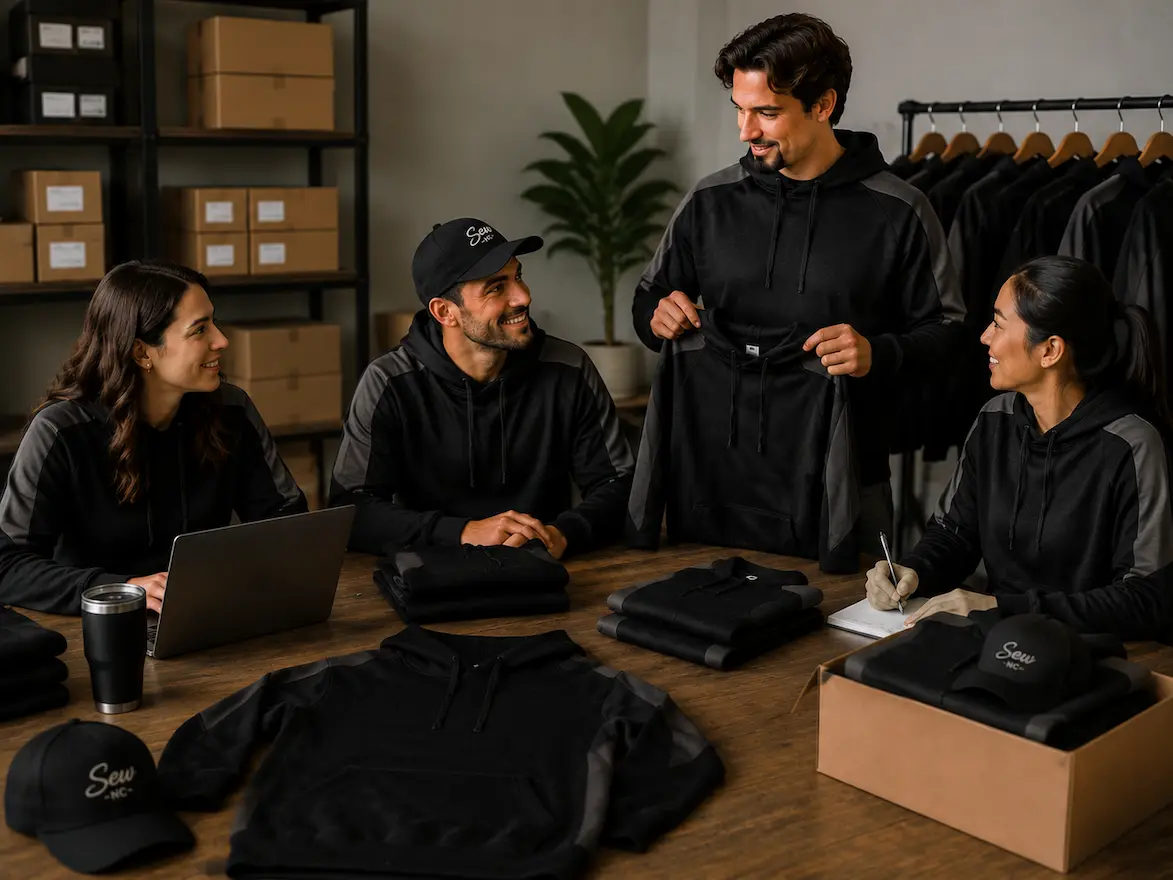
Apparel generates more sustained impressions per dollar spent than most other branded merchandise categories, and the logic behind that is not complicated. People wear clothing in public every day. A quality branded hoodie or a well-made hat in regular rotation produces daily visibility in the community settings where local brands need to be seen, without any recurring cost after the initial order.
The apparel items that perform best as promotional items with logo are the ones people reach for because they want to wear them, not because they feel obligated to. A quarter-zip in a color someone actually likes, a t-shirt with a fit worth keeping, or a hat with a clean embroidered logo that does not dominate the front panel earns its place in a wardrobe independently. The brand travels wherever the garment goes, and the impression it generates is positive by association rather than intrusive by design.
For buyers building a merchandise mix across multiple categories, anchoring the program in apparel and filling specific use cases with supplementary items like drinkware or bags produces more coherence than a collection of unrelated items selected independently from different catalog sections.
What to Check Before the Order Is Approved
The proof approval stage is the last point in the process where an error can be caught before it becomes expensive. Buyers who treat it as a formality are the ones who receive merchandise that does not match what they intended to order.
Review the artwork proof against the most current version of the brand’s logo files. Check color matching against the specified Pantone references. Confirm placement position and size relative to the item. Read every text element for spelling, spacing, and font rendering. Each of those elements can drift between what was submitted and what appears in the production proof, and catching a discrepancy before the run starts costs nothing beyond a brief delay. Catching it after a run is complete costs considerably more in time, money, and the gap it creates in a program that already had a timeline.
For apparel orders, confirm the size distribution before approving the proof. A size distribution error approved at this stage produces a shortage in underordered sizes and surplus in over-specified ones, and resolving that after production is more complicated and more expensive than reviewing it beforehand.
Reach out through the Sew NC contact page to plan promotional items with logo around your next event, campaign, or audience. The decisions made before the order is placed determine most of what the program delivers, and those decisions are worth working through with a production team that handles them daily.