When embarking on a bulk branded apparel program, most wholesale sweatshirts orders form the basis of the program and many of the key determinations affecting the finished article are taken before any logos are applied to garments. These key factors that affect the finished product include garment brand, fabric weight, style, decoration method, size distribution, and reorder logistics.
The organizations that build sweatshirt programs that hold up across multiple seasons are the ones that work through those variables before the first order rather than after it.
At Sew NC, bulk sweatshirt orders come through for staff programs, team apparel, seasonal merchandise, and organizational gear, and the programs that run smoothly are almost always the ones where the garment and decoration decisions were made with the full picture in mind.
What Wholesale Sweatshirts Actually Means in a Production Context
Wholesale sweatshirts refers to garments purchased at volume from a distributor rather than at retail, which affects price per unit, available styles, and the range of decoration options a production partner can work with. Most commercial apparel decoration operations source garments through wholesale channels and build decoration services around that sourcing, which means the garment selection a buyer makes is constrained to what the wholesale market carries.
The listed constraints may seem to limit the buyer somewhat, but wholesale apparel markets offer hundreds of models of sweatshirts from dozens of retailers in various weights, made of different blends of fabrics and available in many colors. The real challenge for a buyer is to choose the right combination of characteristics that serves the specific program without introducing complexity that adds cost or creates reorder problems later.
If you’re ordering bulk sweatshirts through a decoration partner, the price of those sweatshirts will likely differ from what you can purchase directly from a wholesale distributor. Because the garment cost is baked into the decorated unit price, it means comparing quotes requires understanding what is included in each line item rather than treating per-unit cost as a direct comparison across providers.
Garment Brands and What Separates Them in Production
Not all wholesale sweatshirts perform the same way under embroidery, screen printing, or DTF, and selecting a garment based solely on price per unit without considering how it interacts with the decoration method produces problems that show up after the order arrives rather than before.
Gildan Heavy Blend is the most popular wholesale sweatshirt for commercial decoration for a number of reasons. For starters, Gildan Heavy Blend is always available in a wide range of colors and sizes. The fabric provides a smooth surface for embroidery and screen print decorations to grab.
And lastly, the price point for Gildan Heavy Blend makes it viable for high-volume programs where cost efficiency is the primary constraint. For event merchandise, nonprofit apparel, and large team orders where the per-unit budget is tight, it covers the requirements reliably.
Comfort Colors garment-dyed fleece is a different product category. This line of products has a very specific, lived-in look and feel that many customers are willing to pay a little more per unit for. Because this product is garment-dyed, there is always going to be color variation from garment to garment. For branded programs where tight color matching to a Pantone reference is critical, this is worth understanding before selecting it.
Style Selection and What Each Format Is Built For
Wholesale sweatshirts come in a range of styles that suit different use cases, and the style selected for a program affects how the decoration is applied, how the garment is worn, and whether the finished product serves the intended purpose well.
Crewneck sweatshirts are the most versatile format in the category and the most commonly ordered for staff and organizational programs. The clean chest panel provides a predictable surface for embroidery or screen printing, the silhouette works across a wide range of body types, and the overall aesthetic is appropriate for a broader range of contexts than a hoodie.
Pullover hoodies are the default for team apparel, school programs, and staff recognition contexts where the garment is meant to be worn beyond work hours. The hood adds a casual dimension that keeps the garment in rotation in personal settings, which is part of why hoodies generate more sustained visibility as branded items than crewnecks in programs aimed at external impressions as well as internal cohesion.
Full-zip hoodies serve a layering function that pullovers do not, which makes them useful in programs where staff move between climate-controlled interiors and outdoor settings throughout the day. They read slightly more corporate than a pullover and are commonly ordered for sales teams, client-facing staff, and programs that want a step above a polo without committing to outerwear.
Quarter-zips are a specific aesthetic and functional choice that works well for corporate casual programs and organizations that want headwear-free layering in a professional context.
Fabric Weight and Why It Changes the Decoration Result
Fabric weight in wholesale sweatshirts is measured in ounces per square yard, and that number affects more than how warm the garment is. It affects how the fabric responds under embroidery hooping tension, how screen printing ink sits on the surface, and how the finished decoration holds up through repeated washing.
Lightweight fleece in the 7 to 8 ounce range is soft and comfortable but provides less structural support for embroidery hooping than heavier options. On a loosely structured lightweight fleece, embroidery backing needs to be heavier to compensate for the fabric’s tendency to distort under tension, and even with correct stabilization, the risk of puckering around an embroidered logo is higher than on a midweight garment.
Midweight fleece in the 9 to 10 ounce range is the most commonly ordered weight for custom sweatshirts in commercial decoration programs. It provides enough body to hold embroidery hooping without distortion, accepts screen printing ink evenly across the surface, and performs consistently across a large run. For staff programs, team apparel, and organizational gear that will see regular use and frequent washing, midweight fleece covers the requirements across the widest range of decoration methods and use contexts.
Heavyweight fleece at 12 ounces and above is built for cold-weather performance in outdoor work environments. It is the right choice for field crews, construction teams, and contractor programs where the garment is expected to function as genuine cold-weather protection alongside its role as branded apparel. For indoor office programs or mild-climate seasonal apparel, the added weight is more than the application requires.
Decoration Methods for Bulk Sweatshirts
Embroidery, screen printing, and DTF each produce different results on sweatshirt fleece, and the right choice depends on the design, the quantity, and what the finished program needs to communicate.
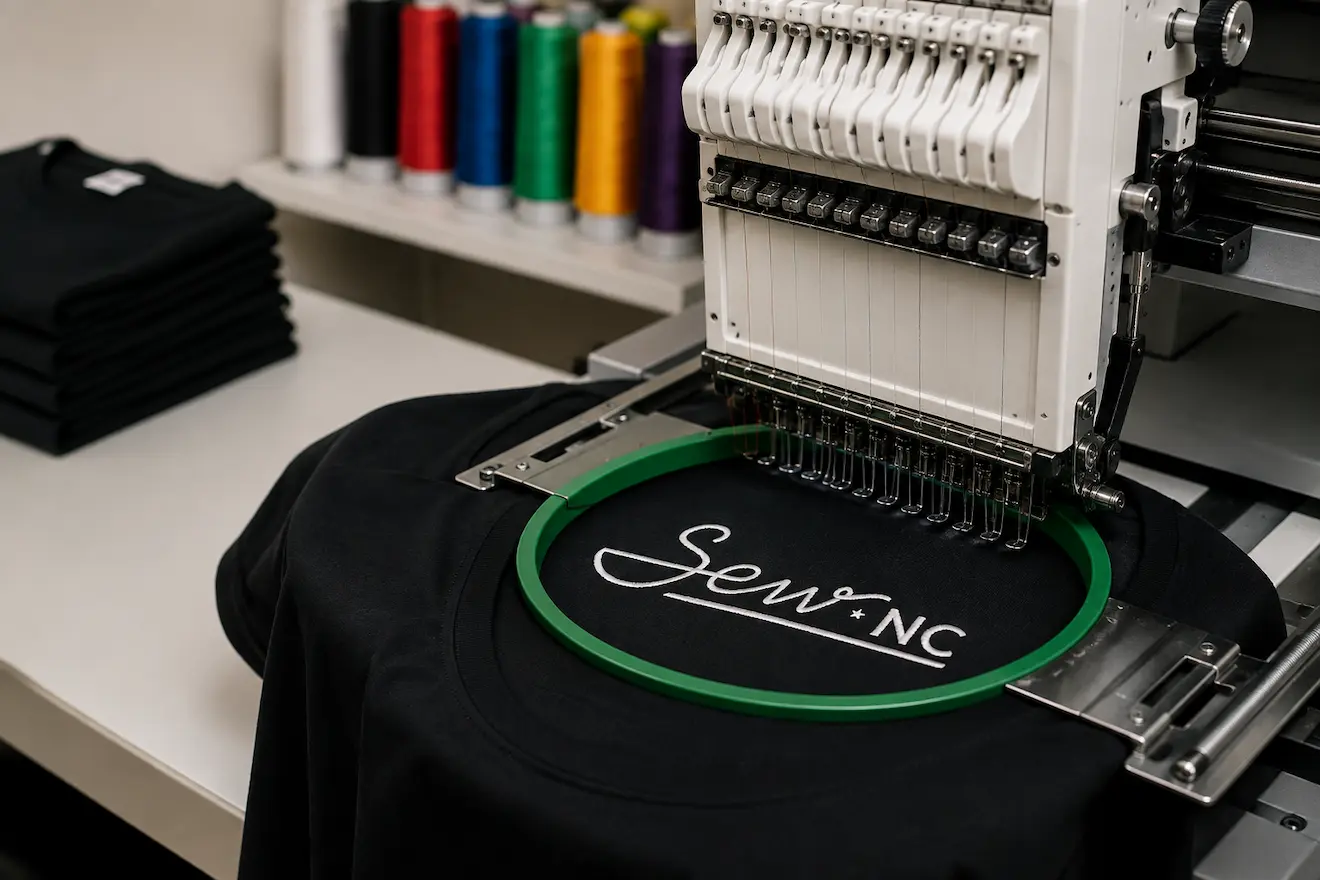
Embroidery on wholesale sweatshirts is the decoration standard for corporate and organizational programs where the brand needs to communicate quality and the garment needs to hold up through extended use. Thread on fleece is durable, color-stable through washing, and produces a dimensional finish that reads as intentional in professional and semi-professional contexts.
Screen printing on bulk sweatshirts is the right call for high-volume runs with large-format artwork. A full chest graphic, a bold back print for an event, or a multi-color design that covers significant surface area on a custom hoodie are screen printing applications where the process produces a better visual result than embroidery at a more efficient per-unit cost.
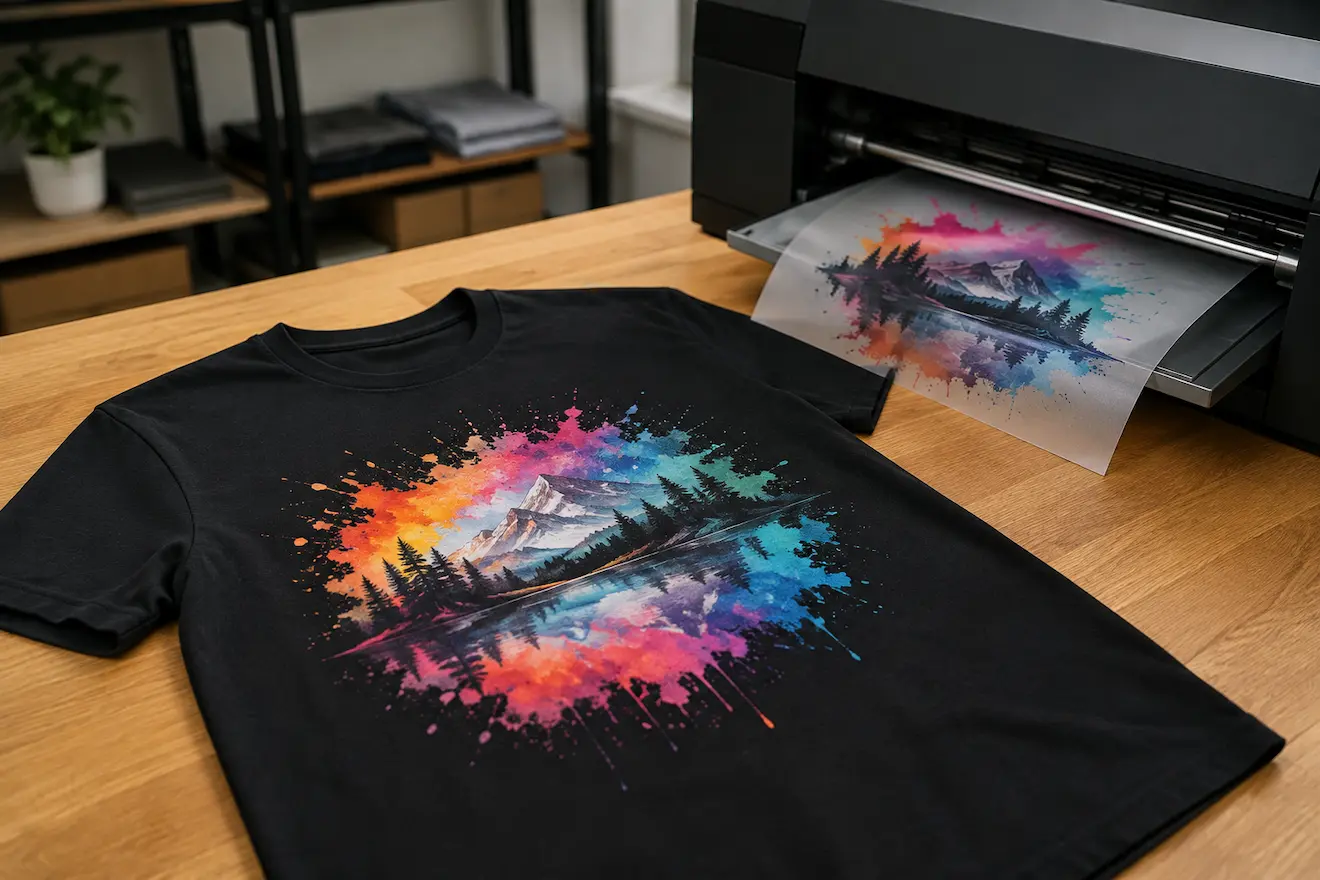
DTF on sweatshirt fleece handles full-color and detailed artwork at small to mid-range quantities without the screen setup overhead that makes screen printing less practical at lower volumes. On midweight fleece, DTF produces a clean result for most standard artwork. On heavier fleece, the surface texture affects how fine detail reads, and the hand feel of the transfer is more pronounced than it is on a smoother jersey substrate.
At Sew NC, we match the decoration method to the artwork, the quantity, and the garment in every bulk sweatshirt program we work on. Our bulk sweatshirts and hoodies service covers the full range of wholesale options, decoration methods, and program configurations for businesses, teams, and organizations ordering at volume.
Wholesale Sweatshirts Size Distribution and Why It Matters More Than Buyers Expect
Size distribution of wholesale sweatshirts is one of the most consistently underestimated variables in a wholesale sweatshirt order, and getting it wrong is one of the more frustrating and expensive problems to resolve after the order has been placed and produced.
Most buyers instinctively order more smalls and mediums than their team actually needs and fewer larges and extra-larges than they will use. The result is a staff closet with unworn smalls and a reorder request for 2XL within the first month of distribution.
A more realistic starting distribution for a mixed-gender adult program is approximately 5 percent small, 20 percent medium, 30 percent large, 25 percent extra-large, and 20 percent 2XL and above, adjusted based on what the buyer knows about the specific group.
For programs that include gender-specific styles alongside unisex options, size distribution requires separate planning for each style. Women’s-specific sweatshirts size differently than unisex, and applying the same distribution across both produces the same kind of mismatch in a different direction. The most reliable approach is to collect size information from the group before placing the order rather than estimating based on general population assumptions.
Buffer quantity for ongoing programs is a related decision. Ordering 10 to 15 percent above confirmed headcount on the initial run covers new hires and replacements at a lower per-unit cost than placing a small separate reorder at a later date. For programs that expect to grow over the season or the year, that buffer reduces the operational friction of frequent small reorders without significantly increasing the upfront investment.
Reorder Planning for Ongoing Sweatshirt Programs
A Wholesale sweatshirt program that is not designed to be reordered consistently is not a program. It is a one-time order, and the problems that come from treating it as anything other than that show up in the second and third seasons when garments need to be replaced or the team grows beyond the initial run.
Reorder consistency requires three things: the garment style must still be available from the same supplier, the artwork files and decoration specifications must be archived from the initial run, and the production partner must be able to reproduce the same result without restarting the setup process. Any one of those three conditions failing produces a reorder that looks slightly different from the original, and that visual inconsistency is visible in any setting where old and new pieces are worn together.
Confirming that a selected garment style is part of a supplier’s core catalog rather than a seasonal offering before committing to the initial order is the single most effective preventive step in reorder planning. Styles that are discontinued between seasons create sourcing problems that force a full garment re-selection and potentially a re-digitization or re-setup of the decoration, which adds cost and time to what should be a straightforward reorder.
Reach out through the Sew NC contact page to plan a wholesale sweatshirt order for your staff program, team, or organization. Whether the order is a first run or a reorder of an existing program, the goal is the same: the right garment, the right decoration, and a configuration that holds up every time the order needs to be repeated.